然而行业However, there is an awkward reality in the industry: prototypes are everywhere, but mass production is rare. While prototypes with impressive performance continue to emerge from laboratories, only a handful of players—such as YASA, which was acquired by Mercedes-Benz, and China’s Panhu Power—have actually met automotive standards and achieved stable mass production. The core reason lies in the insurmountable gap between prototypes and mass production.
Currently, Mercedes-Benz YASA is already being used in AMG all-electric models, and hub-mounted motors have achieved deliveries in the tens of thousands in the commercial vehicle sector, indicating that the industry is gradually crossing the mass-production threshold. However, over the next 5 to 8 years, the market is likely to remain dominated by radial flat-wire motors for volume production, while axial flux motors will continue to target the high-end market.
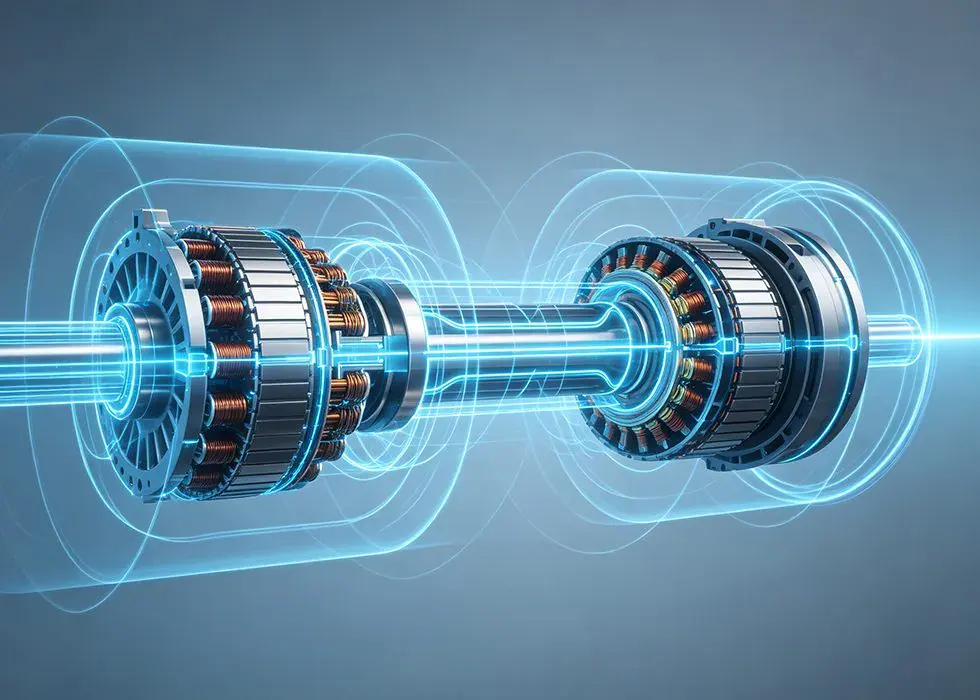
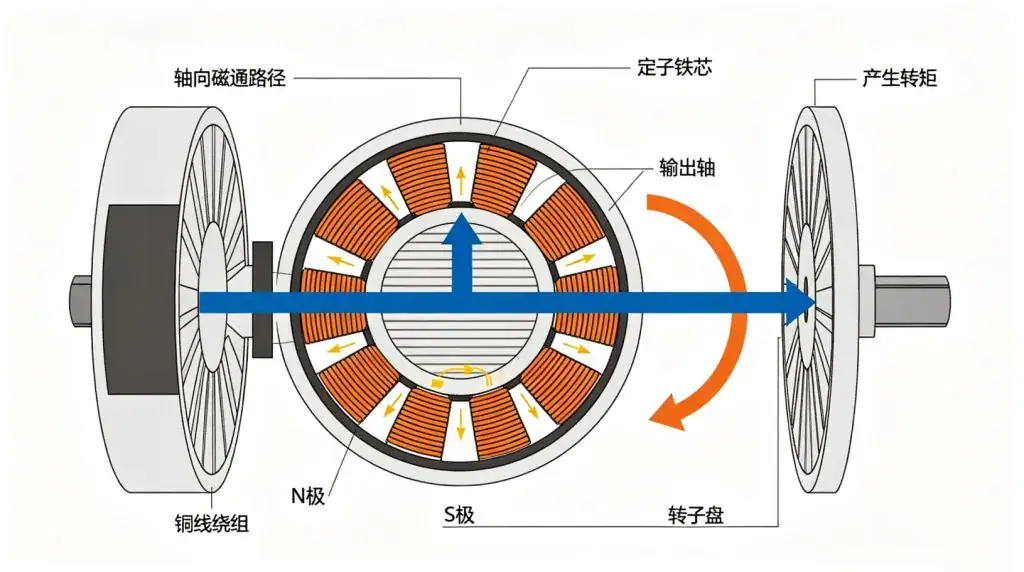
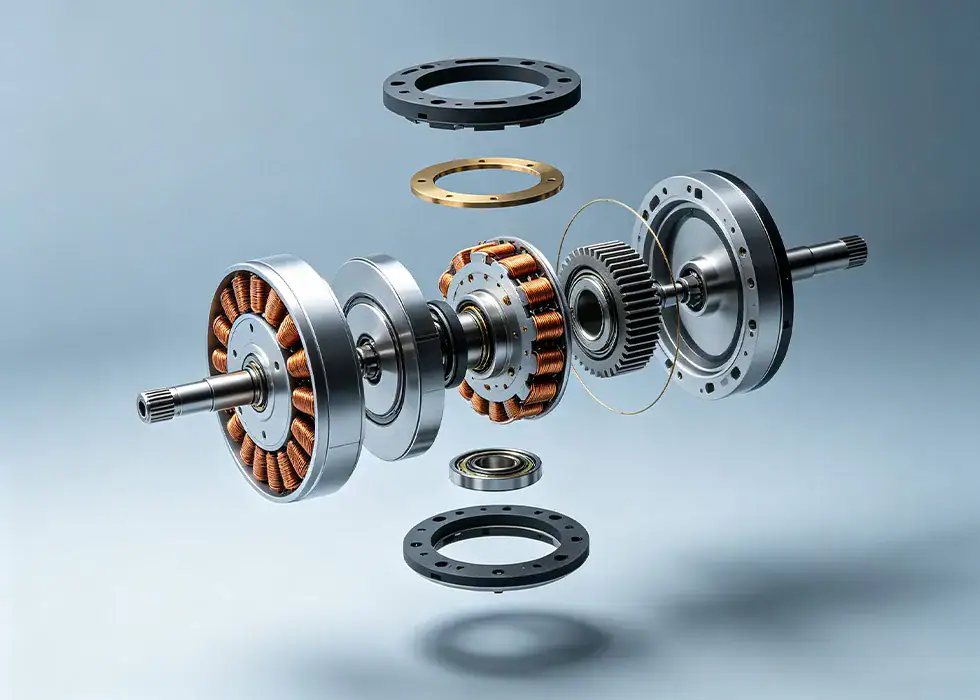
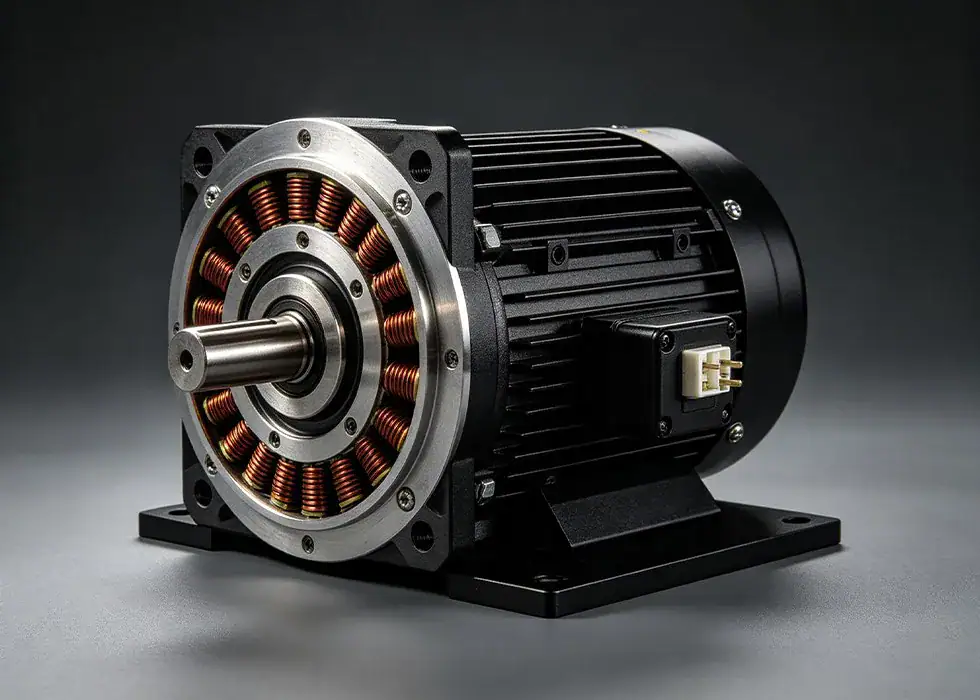
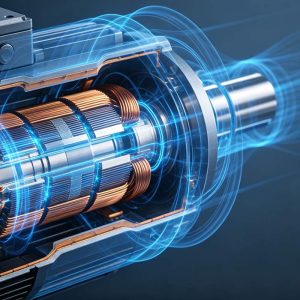
Axial Flux Motor
Prototypes focus on electromagnetic design, while mass production hinges on system capabilities. To address the challenges of automated assembly and precision control in the mass production of axial motors, Jiuju offers automated assembly and magnetization solutions tailored for disc-type motors, covering core processes such as precision magnet mounting, force-position co-assembly of the stator and rotor, and online air gap inspection. By using servo force control to gradually release strong magnetic attraction, these solutions ensure micron-level assembly precision and mass-production consistency, providing the process and equipment support needed for axial flux motors to transition from prototypes to large-scale mass production.
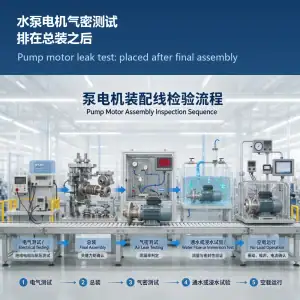
While new energy vehicles and robots are stealing the spotlight, industrial applications such as elevator traction machines, fans, and water pumps are quietly adopting axial flux motors. Here, the focus isn’t on flashy specifications, but on electricity bills and reliability at scale.
While new energy vehicles and robots are stealing the spotlight, industrial applications such as elevator traction machines, fans, and water pumps are quietly adopting axial flux motors. Here, the focus isn’t on flashy specifications, but on electricity bills and reliability at scale.
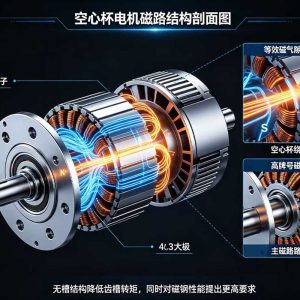
A multi-pole architecture brings a high-frequency fundamental; at 10,000 rpm the fundamental frequency can reach several kHz. Traditional IGBTs suffer soaring switching losses and severe heating — it is the MHz-class switching capability of SiC MOSFETs that truly matches high-frequency multi-pole axial flux motors.
 Jiuju Automation




 Español
 Français
 Deutsch (Sie)
 हिन्दी