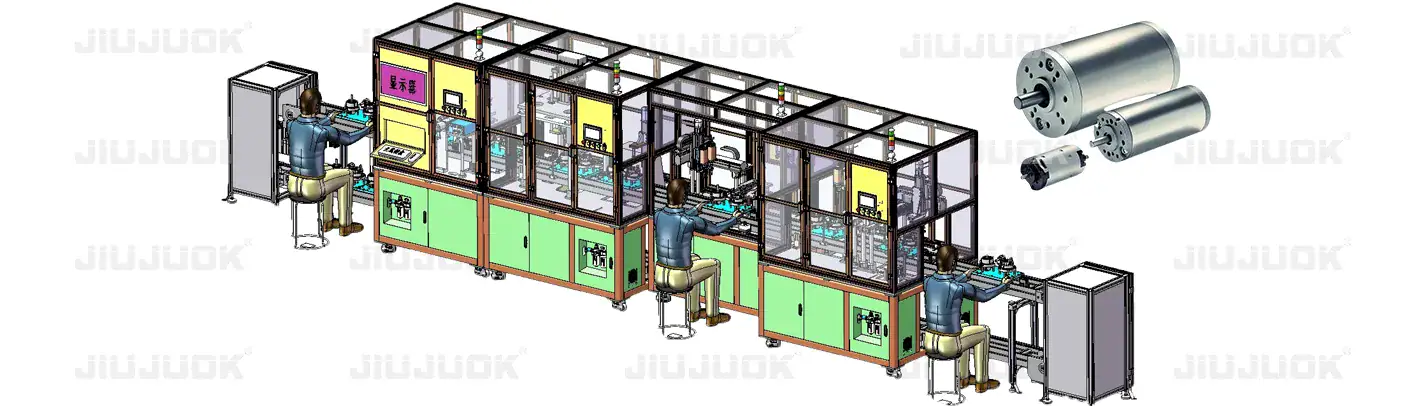
Brush motor automated assembly line solutions
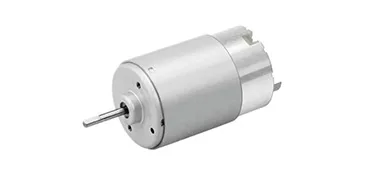
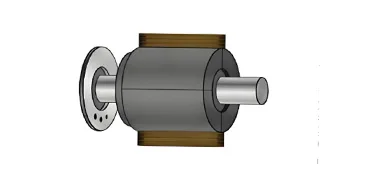
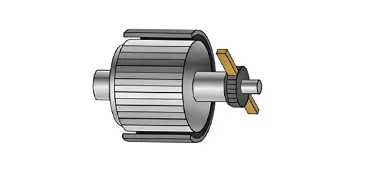
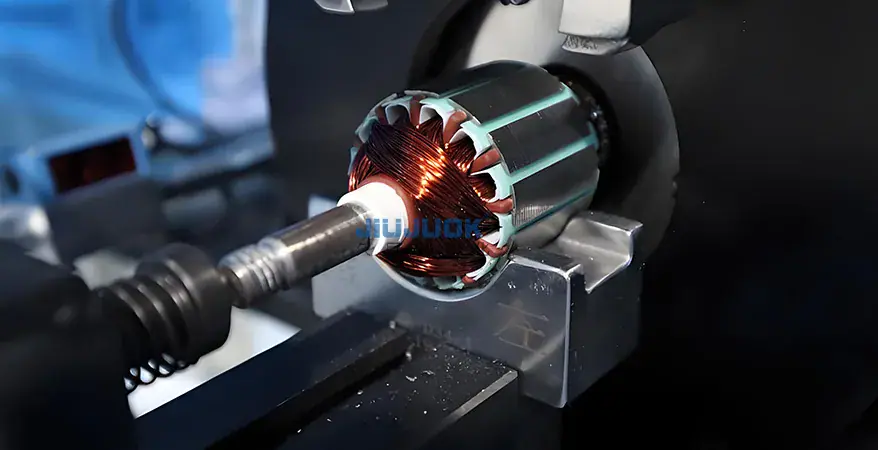
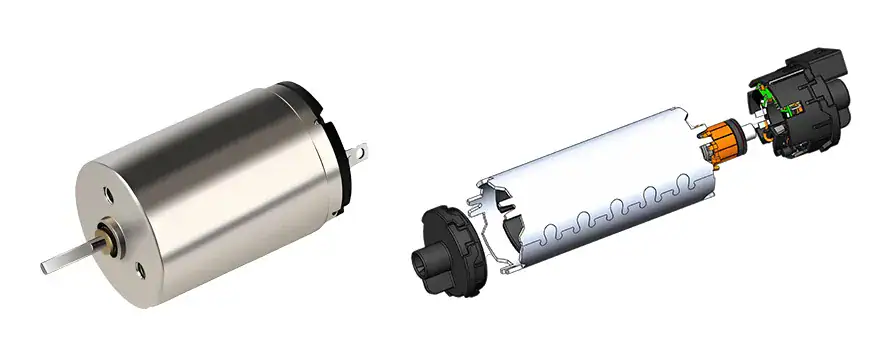
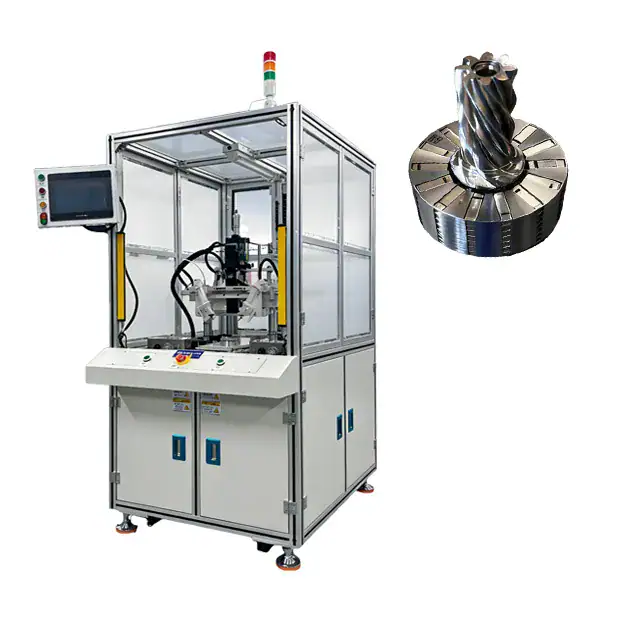
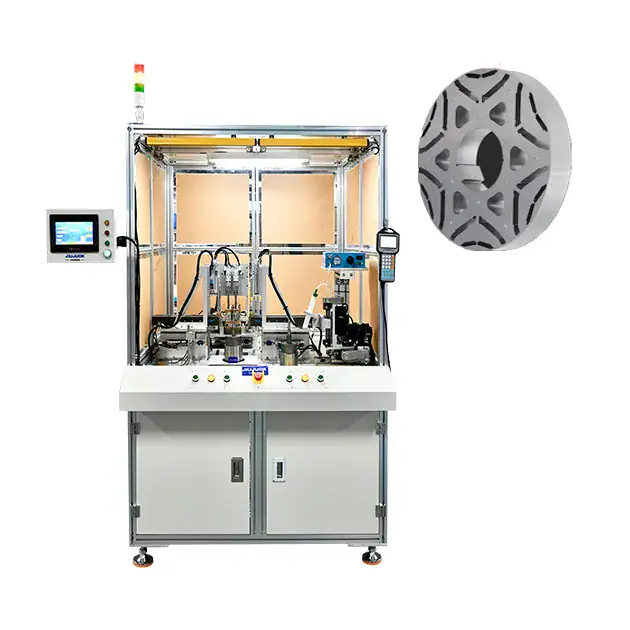
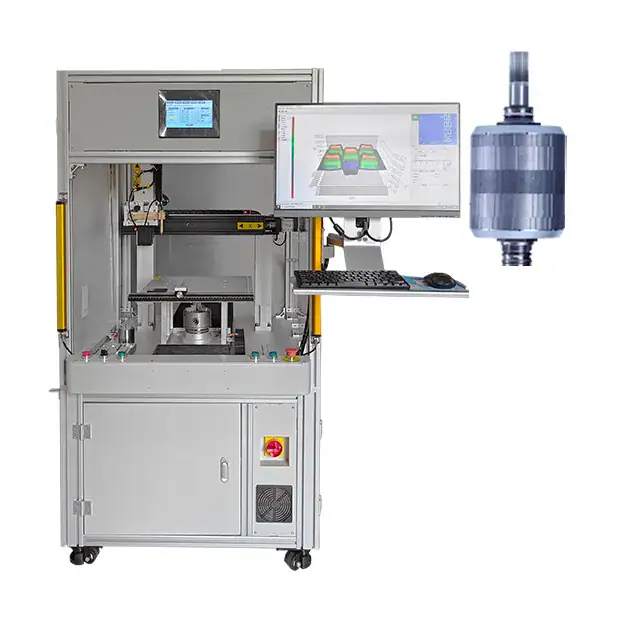
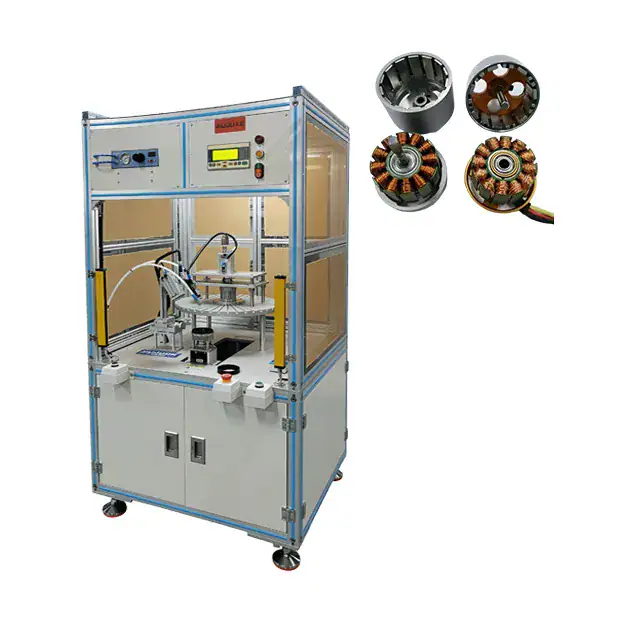
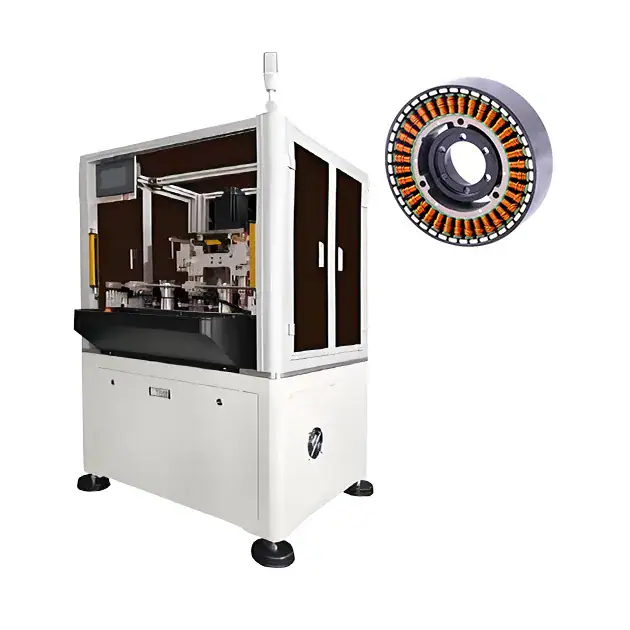
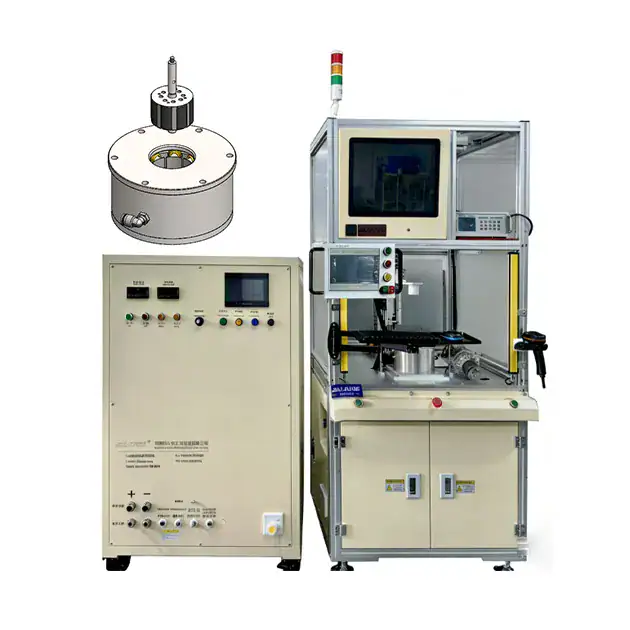
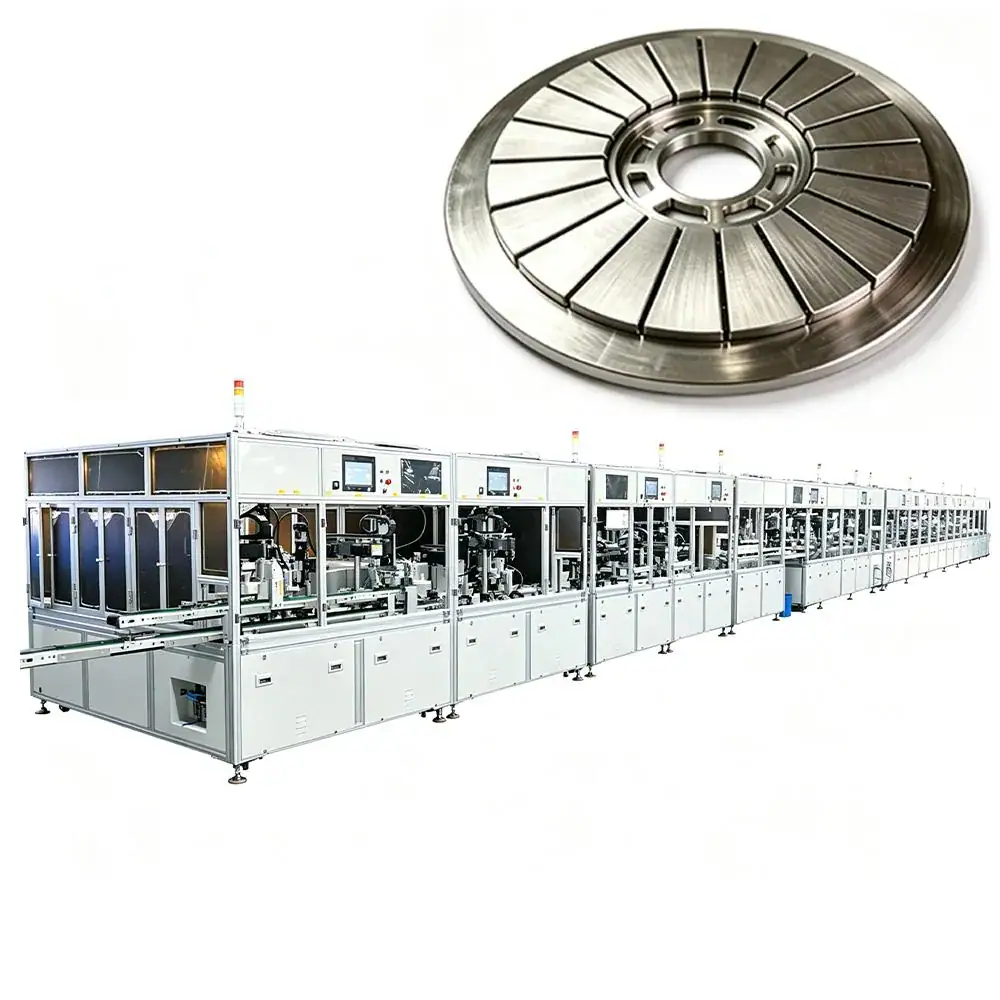
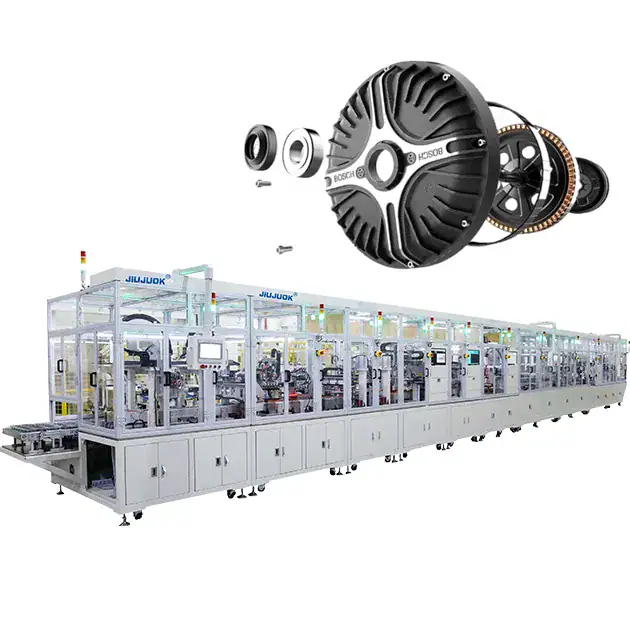
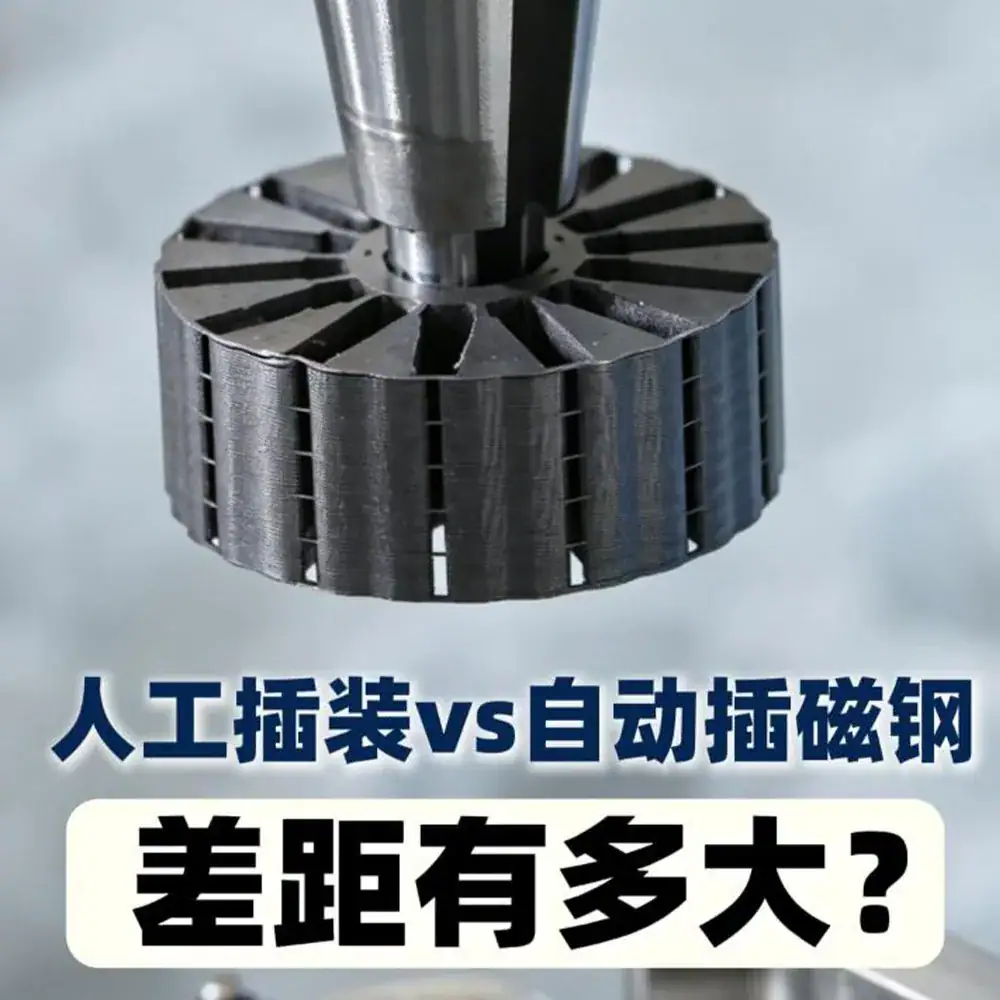
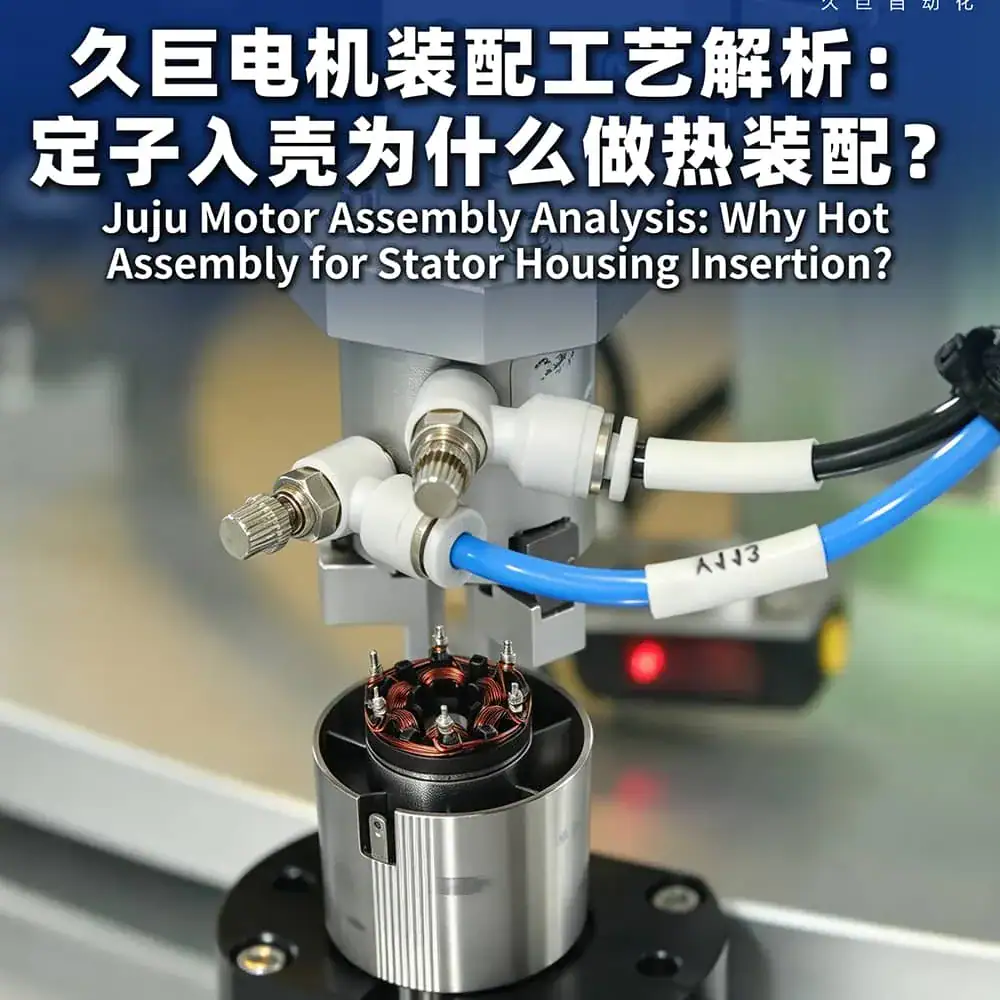
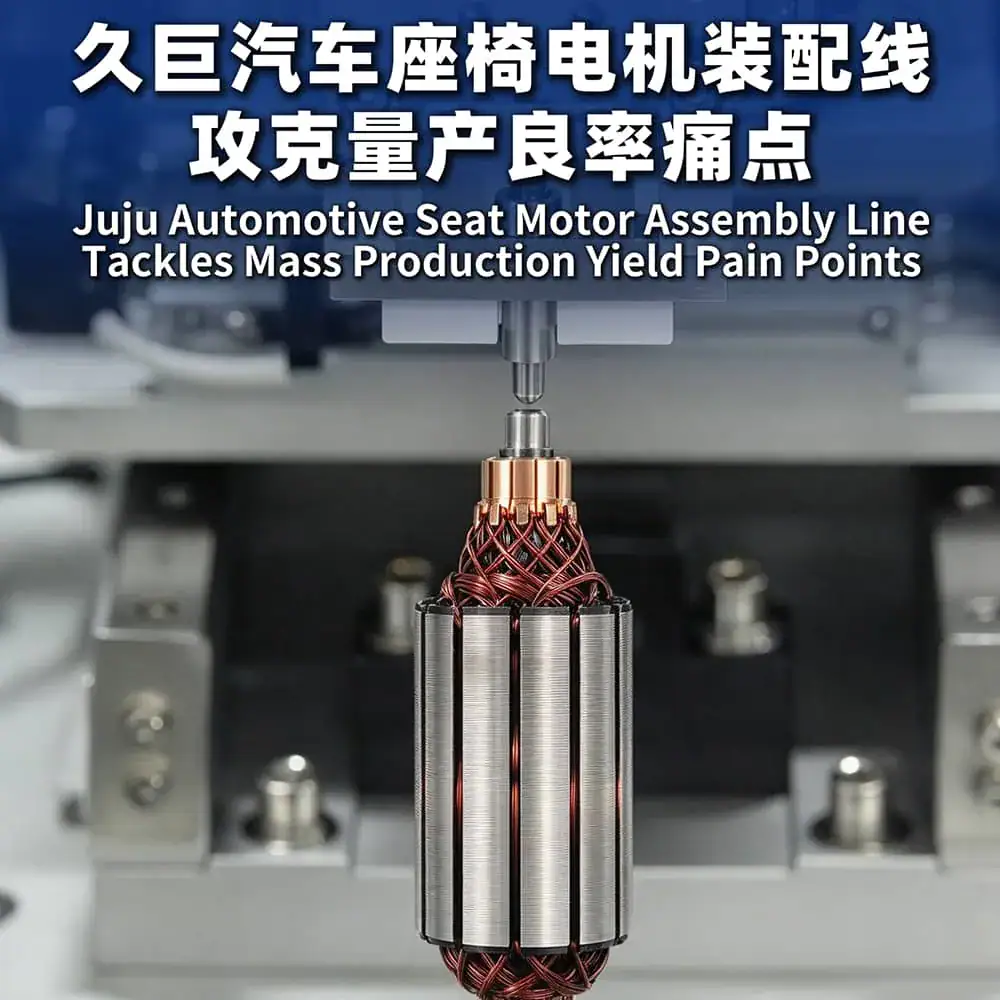
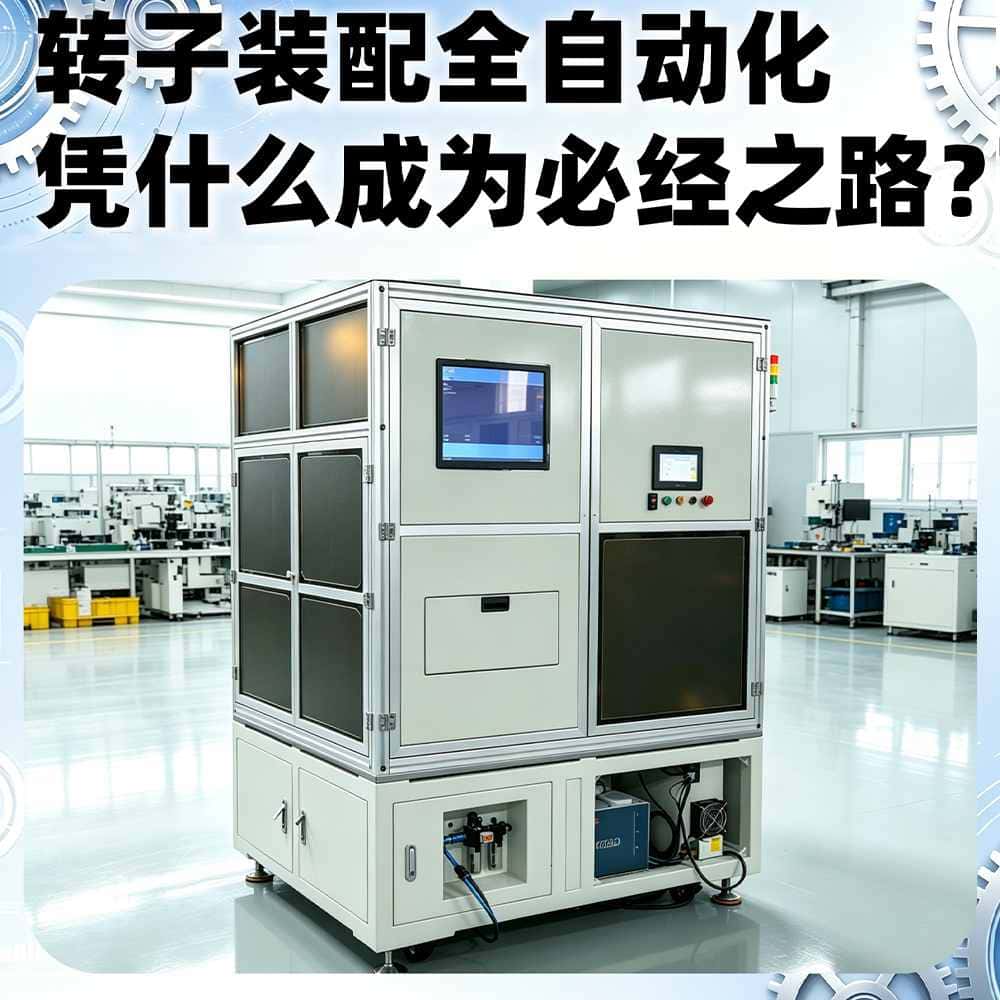
Brush motor automated assembly line solution covers the whole process of rotor processing, commutator press fitting, brush assembly, welding line, final assembly and performance testing. For the structural characteristics of brush motors, it integrates the laser alignment assembly technology to ensure the contact angle between brush and commutator is accurate and consistent, and matches with the servo press fitting, automatic soldering, on-line inspection and other processes, and realizes the whole process of data management and control and NG through PLC+MES system. The PLC+MES system realizes data control of the whole process and automatic sorting of NG products. The whole line of this program can reach a crop rate of 90% or more, the assembly efficiency is 30% higher than the manual line, only 2-3 operation and maintenance personnel can replace the traditional more than 20 artificial, effectively reducing the product defective rate; the modular design supports the rapid change of type within 15 minutes, compatible with the production of brushed motors in many areas of the mixed production, and solves the quality fluctuations of the traditional manual assembly of the pain points.
Customization Process
Customized to the commutator, brush and end-cap structure of the brushed motor; press-fitting, soldering, laser alignment and performance testing are all redesigned. Seven stages, each with defined deliverables and customer sign-off points.
- 1
Requirement review
& concept design
7–15 days
Technical proposal
- 2
Technical freeze
& contract
3–7 days
Technical agreement
- 3
Design & build
in-house commissioning
30–60 days
Drawings · programs
- 4
FAT
factory acceptance
3–5 days
Acceptance record
- 5
Site installation
& SAT
5–10 days
SAT report
- 6
Production validation
3–10 days
Validation report
- 7
Final acceptance
& handover
2–3 days
Manuals · spares
Total lead time is typically 45–120 calendar days, with build and in-house commissioning accounting for the largest share. Once the design is frozen, changes to core process parameters (size, cycle time, number of stations) cascade into mechanical, electrical and layout changes and may extend the schedule by more than 30% — technical freeze requires written customer confirmation.
 Jiuju Automation



 Spanish
 French
 German
 Hindi