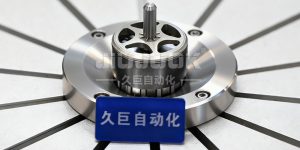
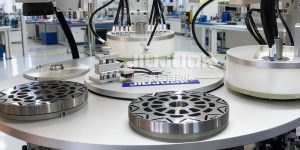
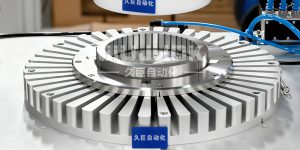
With the rapid development of industrial robots, high-end CNC machine tools, semiconductor equipment and other fields, the downstream market has put forward more and more stringent requirements for servo motors in terms of precision, response speed and other performance indicators. As the core component of the servo motor, the machining accuracy of the rotor directly determines the final performance of the motor, and the traditional machining process, it is difficult to meet the current high-end field of micron-level precision requirements. In this context, the rotor processing automation technology breakthrough is becoming a key breakthrough in the localization of high-end servo motors.
According to industry reports, the current high-end industrial robot servo motors, the rotor balancing accuracy needs to reach G0.1 level, corresponding to the amount of residual unevenness needs to be controlled within 0.1g・mm/kg, which requires machining centers to achieve positioning accuracy of ± 2μm, and in continuous processing of more than a thousand pieces can still maintain the stability of accuracy. In the past, the majority of domestic enterprises still rely on semi-automated equipment and manual calibration mode of rotor processing, not only processing efficiency is low, the consistency of the accuracy of the batch products is also difficult to guarantee, and has become a constraint on the breakthrough of domestic high-end servo motors core bottlenecks.
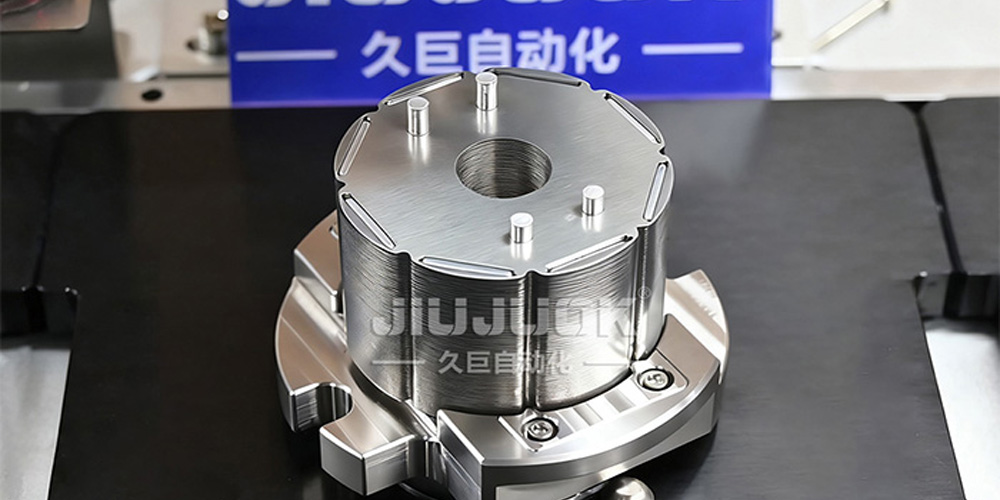
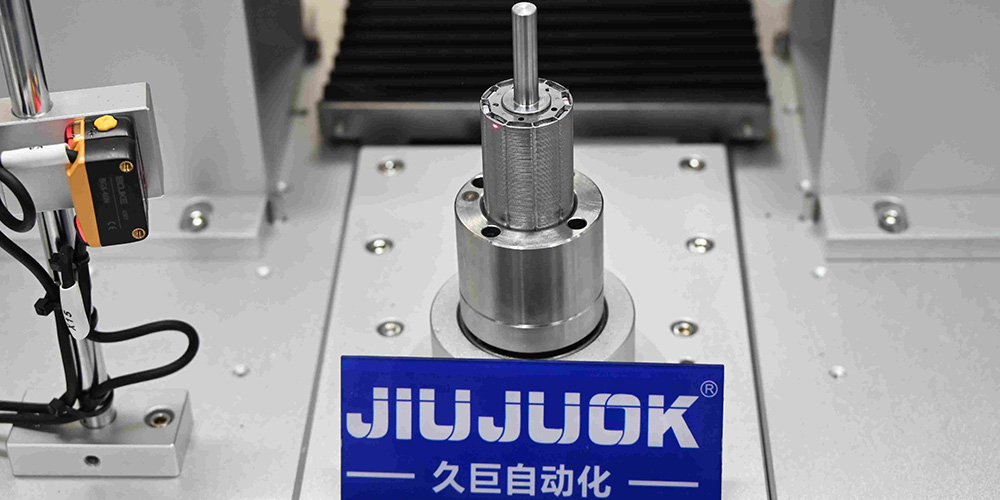
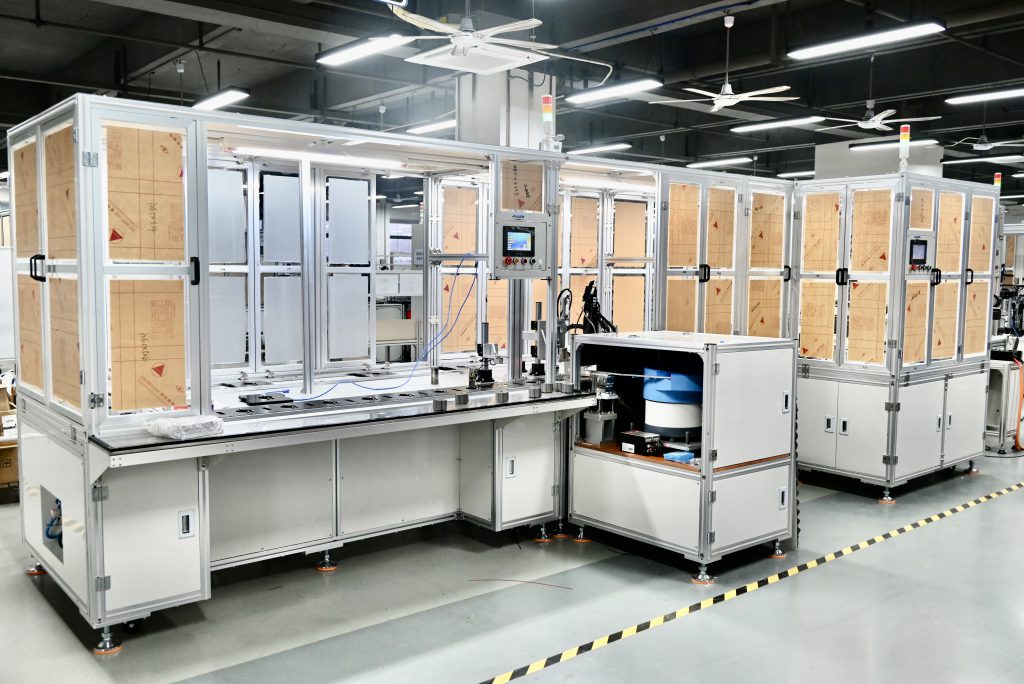
The maturity of automated processing technology is completely changing this situation. The current advanced program in the industry, through the five-axis linkage machining center with laser micro-engraving process, realizes the high-precision machining of the rotor core, and at the same time introduces the online visual inspection and closed-loop compensation system, which can correct the errors in the machining process in real time, and stably control the machining accuracy of the rotor at the micron level. Meanwhile, for the key process of rotor magnet assembly, the automated equipment, through the integration of force control and vision, controls the assembly precision of the magnets at ±0.01mm and the concentricity of the shaft press-fit at less than 0.02mm, completely eliminating the fluctuation of manual operation.
This technological breakthrough has directly promoted the performance upgrade of domestic high-end servo motors. Data show that the use of automated rotor processing process servo motor, its repeat positioning accuracy can reach ± 0.005mm, the command response speed to 0.05ms level, torque fluctuation control within 1%, has reached the level of international first-tier brands. At the same time, the automated production also controls the defective rate of the product below 0.1%, and the production efficiency has been increased by 50%, which significantly reduces the manufacturing cost of high-end servo motors.
With the acceleration of the domestic substitution process, the market demand for high-end servo motors is still rapidly released. Industry experts said that the rotor processing automation technology breakthroughs, not only make up for the domestic servo motor manufacturing shortcomings, but also for the follow-up axial flux motors and other new servo products to lay the foundation for the mass production of the future will further promote the autonomy of the core components of domestic high-end equipment.
Industry robots, high-end equipment in the field of servo motor precision requirements continue to improve, the traditional rotor processing process of precision bottlenecks are being automated technology breakthroughs to promote the localization of high-end servo motors.
Demand for small precision motors in the consumer electronics and micro-drive sectors continues to grow, and automated production technology is helping the industry to realize cost reductions and efficiencies, and to meet the demand for small-lot, multi-batch production.
With the continuous growth of the downstream demand for motors, the traditional manual insertion of the magnet process has been unable to meet the needs of the industry, the popularization of fully automated insertion of the magnet technology is accelerating the motor industry's production capacity upgrading, for the enterprise to bring the efficiency and yield of the double enhancement.
As the next generation technology of new energy vehicles, the industrialization of hub motor is accelerating, and breakthroughs in automated production technology are cracking the mass production problems of hub motor and promoting its commercialization.
 Motor automationmotorassembly