When people first talk about axial-flux motors, many think of "expensive" — their signature high torque density relies on rare-earth permanent magnets with high heat resistance and high energy product, so any fluctuation in rare-earth prices makes procurement nervous. That is a fact, but not the whole story. Calculate the cost at the system level and the conclusion reverses. Axial-flux motors output torque efficiently: to reach the same torque they typically use less magnet and copper than radial motors, and their short windings save on costly oxygen-free copper. Using fewer materials is itself a cost advantage.
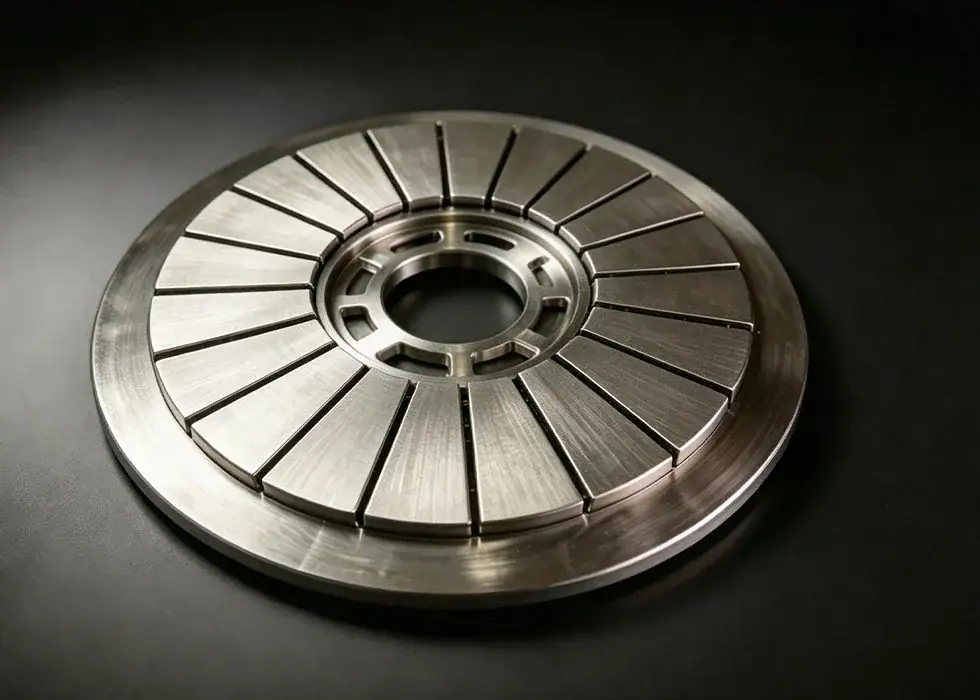
Jiuju Axial-Flux Motor Magnet Image
More critically, at the system level. Once torque density rises, some solutions can eliminate the gearbox or reduce battery capacity reserve, and the money saved often exceeds the premium on the motor itself. For a complete powertrain, the motor is just one piece of the BOM; the account must be looked at as a whole.
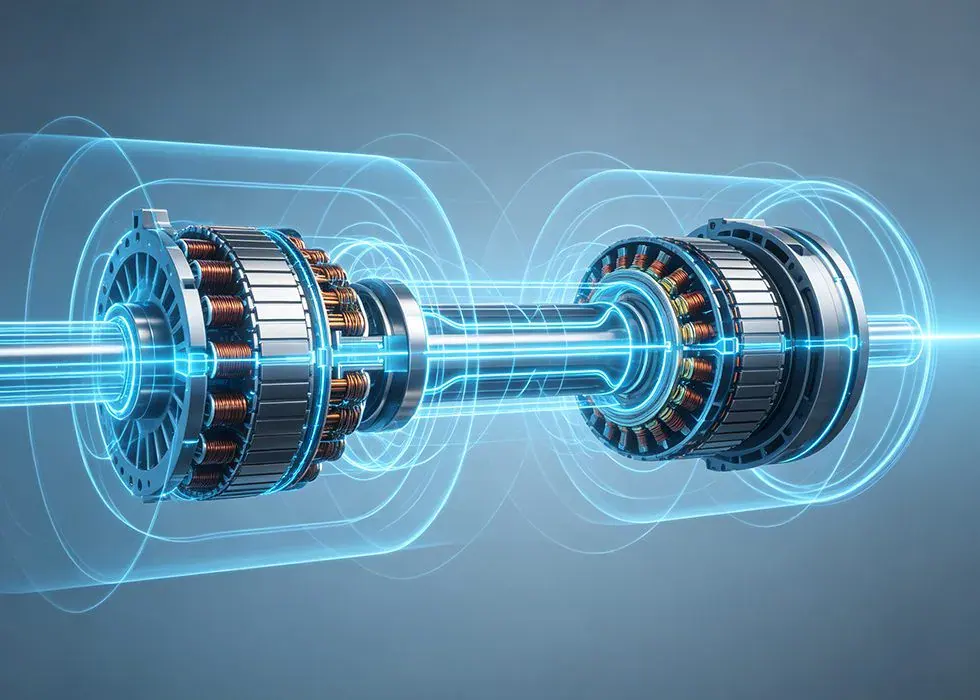
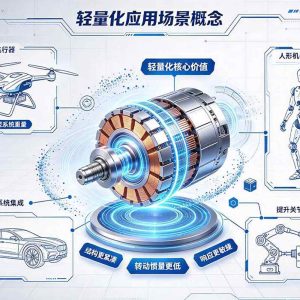
Application Fields of Disc Motor
So "cost per unit torque" is the fairer yardstick. Looking only at the motor's price tag, axial flux is indeed not cheap; looking at the BOM of the whole powertrain, it does not necessarily lose — and in some lightweight-sensitive scenarios it is even more cost-effective. Moreover, as supporting components such as soft magnetic composites and SiC devices mature and scale, the manufacturing cost of axial flux itself is coming down. Cost is a matter of materials in the short term and of volume in the long term; any new motor has its price pushed down bit by bit during the mass-production ramp.
Flux Motor
When helping customers evaluate automated assembly lines for axial-flux motors, Jiuju is also used to shifting the discussion from "how much does this motor cost" to "how much does the whole system save" — once the cost account is complete, many hesitations find their answer. Of course, selection ultimately depends on the application; cost advantages and scenarios are bound together.
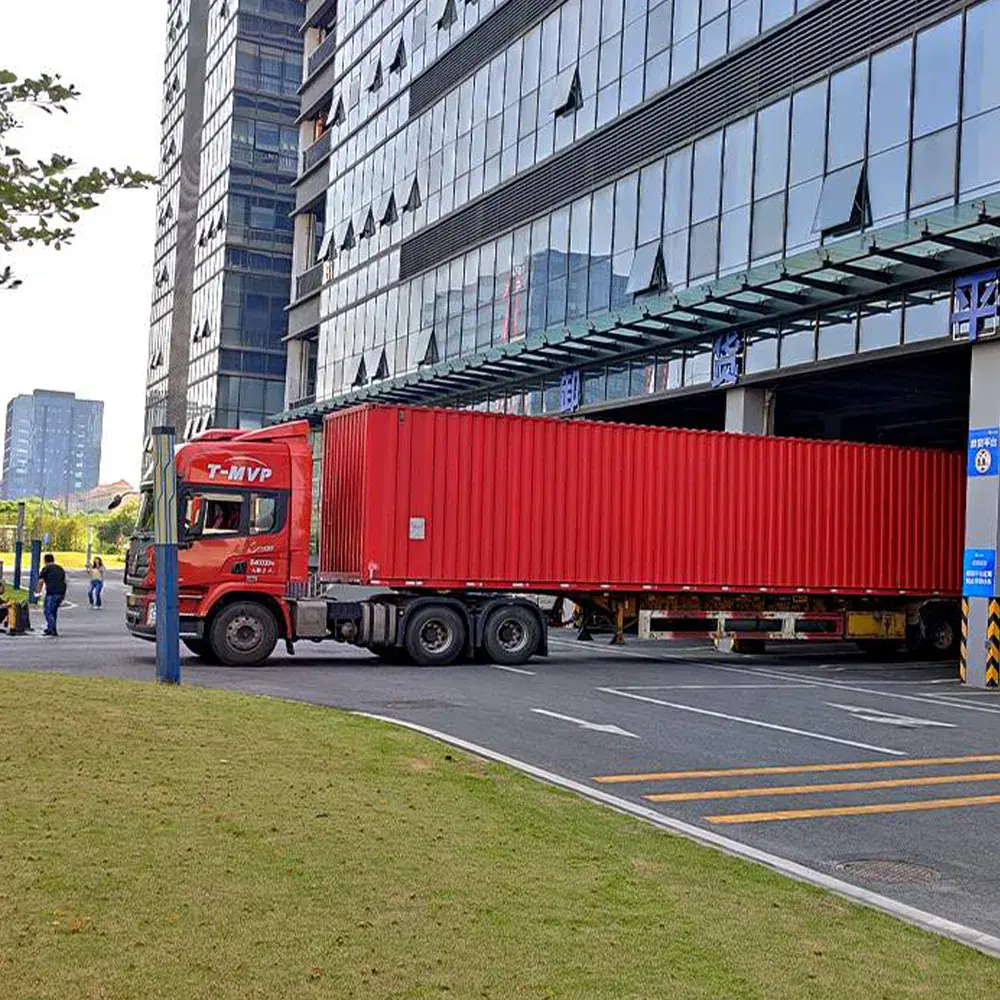
The shipping area outside the workshop was a hive of activity. After multiple rounds of full-machine commissioning, simulated mass-production validation, and factory quality inspection, a Jiuju DC motor automatic assembly line completed all factory-out procedures, was loaded onto trucks on schedule, and is about to depart for the customer's production base, helping the customer's project advance production implementation on plan.
Jiuju Automation provides high-precision automatic assembly lines for axial flux motors, covering processes such as stator winding, magnet assembly, rotor balancing, and final product testing. These lines are suitable for applications in drones, new energy vehicles, and industrial drives. The company holds over 256 patents and is ISO 9001 certified...
Axial-flux motors offer significant performance advantages, but mass production requires overcoming three major challenges: air gap precision, thermal management, and cost consistency. This article analyzes the root causes and solutions for each of these challenges.
Robotic joints require high torque, compact size, and light weight; axial flux motors offer unique advantages in scenarios with limited axial space. This article analyzes their suitability and the challenges involved.
 Jiuju Automation








 Spanish
 French
 German
 Hindi