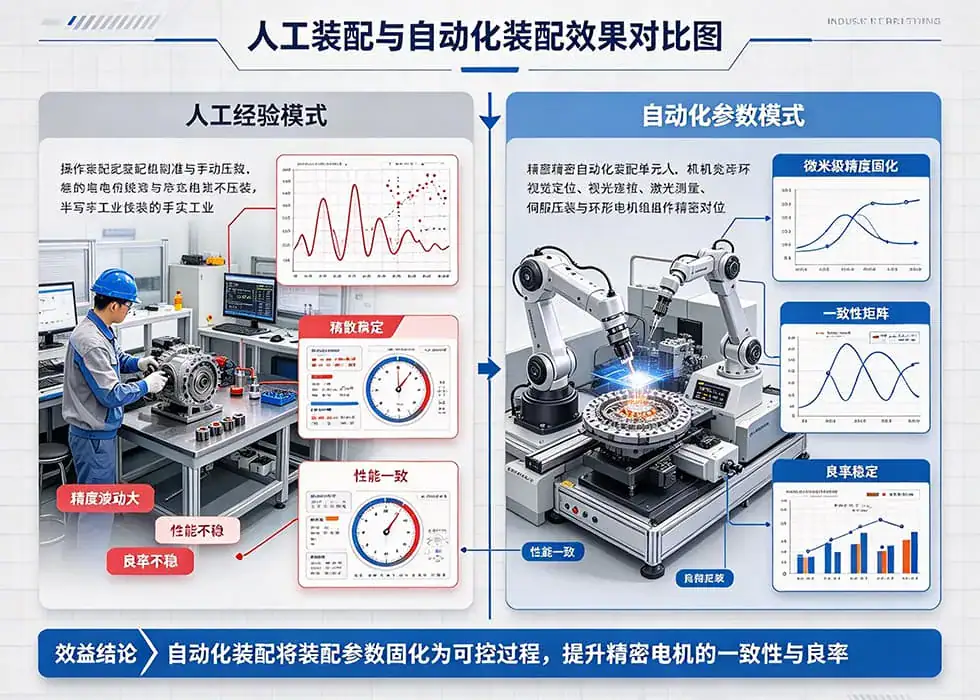
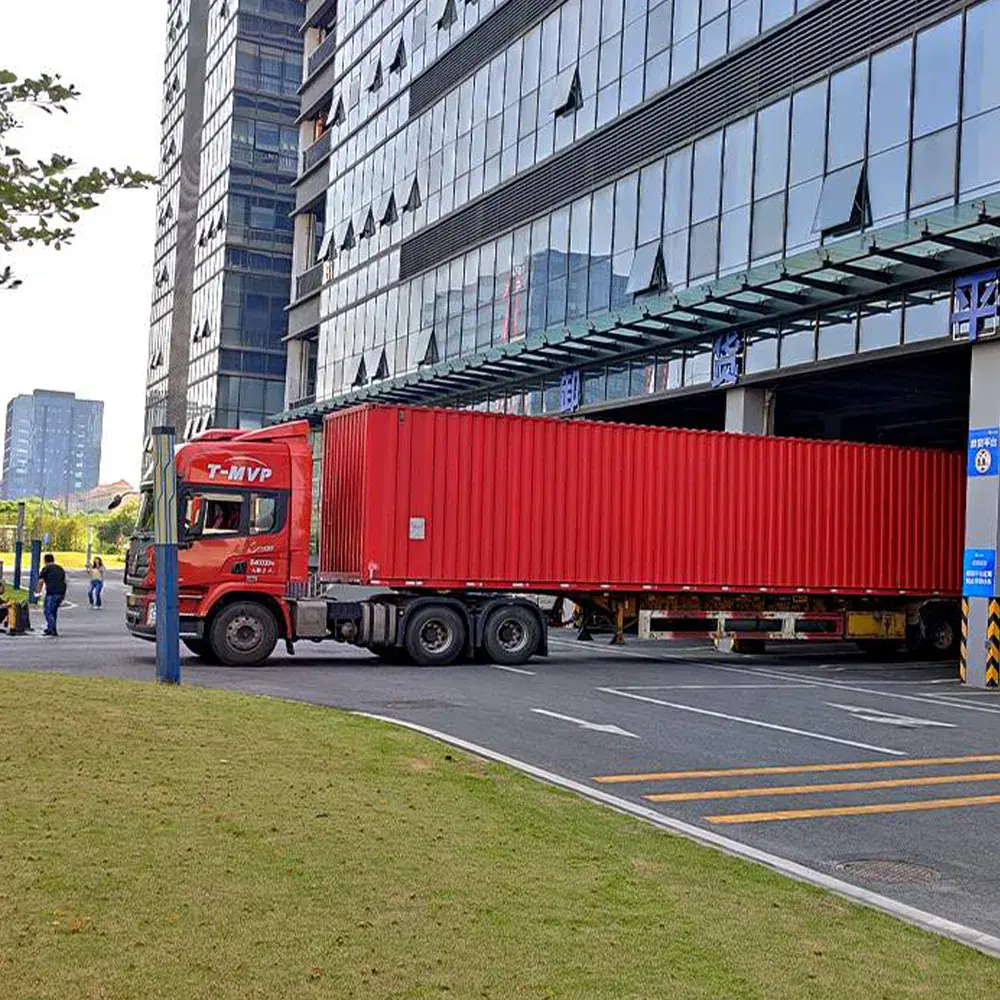
The shipping area outside the workshop was a hive of activity. After multiple rounds of full-machine commissioning, simulated mass-production validation, and factory quality inspection, a Jiuju DC motor automatic assembly line completed all factory-out procedures, was loaded onto trucks on schedule, and is about to depart for the customer's production base, helping the customer's project advance production implementation on plan.
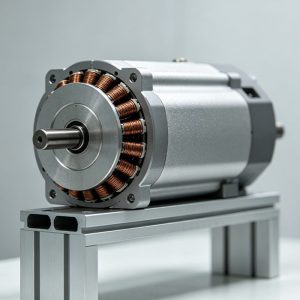
While new energy vehicles and robots are stealing the spotlight, industrial applications such as elevator traction machines, fans, and water pumps are quietly adopting axial flux motors. Here, the focus isn’t on flashy specifications, but on electricity bills and reliability at scale.
A multi-pole architecture brings a high-frequency fundamental; at 10,000 rpm the fundamental frequency can reach several kHz. Traditional IGBTs suffer soaring switching losses and severe heating — it is the MHz-class switching capability of SiC MOSFETs that truly matches high-frequency multi-pole axial flux motors.
Axial-flux motors offer significant performance advantages, but mass production requires overcoming three major challenges: air gap precision, thermal management, and cost consistency. This article analyzes the root causes and solutions for each of these challenges.
Robotic joints require high torque, compact size, and light weight; axial flux motors offer unique advantages in scenarios with limited axial space. This article analyzes their suitability and the challenges involved.
 Jiuju Automation






 Spanish
 French
 German
 Hindi