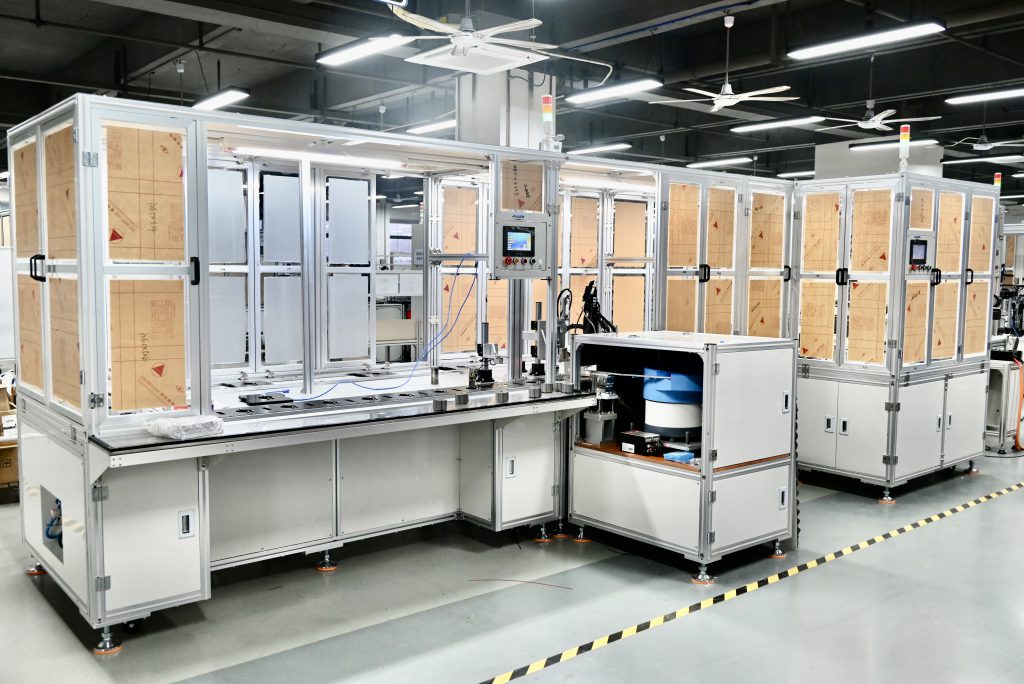
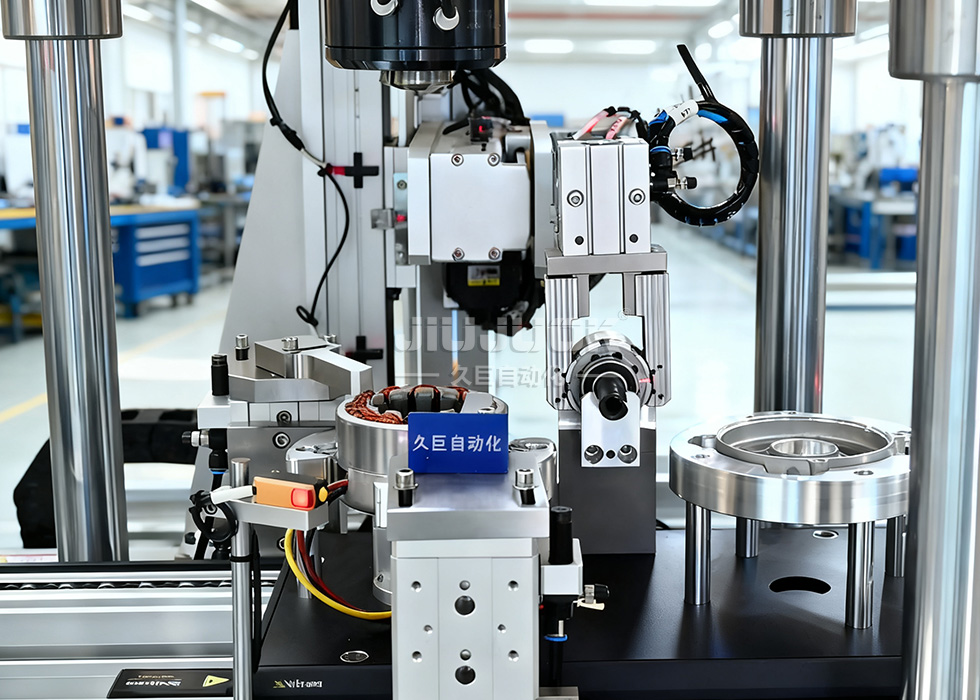
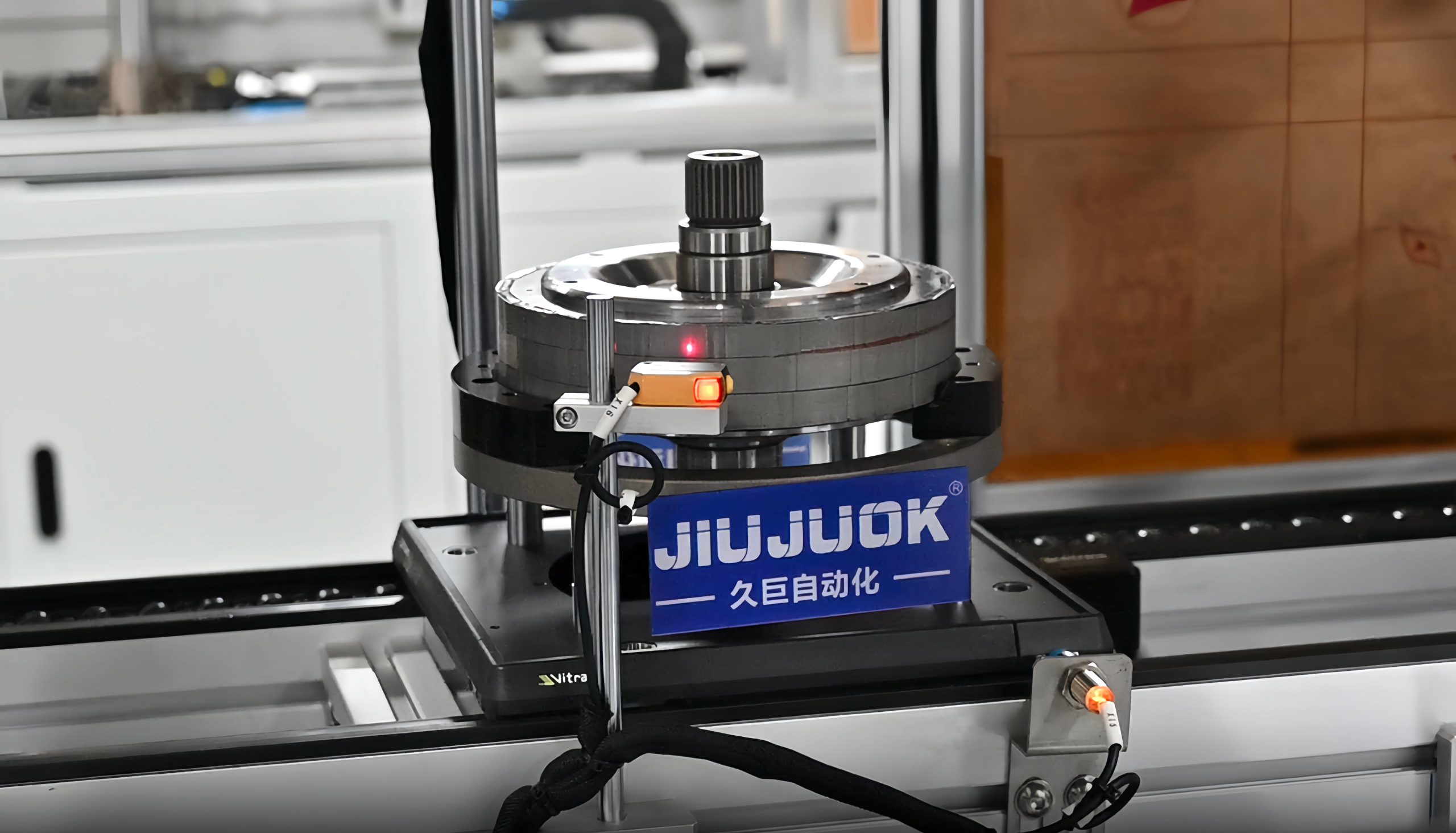
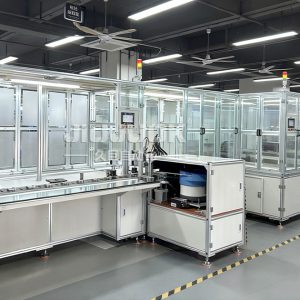
Under the trend of automation transformation in the motor industry, the enterprise's questions about motor automation production line are focused on the configuration, efficiency, cost and other aspects. First of all, what are the core components of the motor automation production line? Typical configuration includes 4 core modules: stator processing equipment (automatic winding machine, slot paper machine, shaping machine), rotor processing equipment (automatic magnet insertion machine, magnetizing machine, precision turning machine), assembly equipment (bearing press fitting machine, end cap assembly machine, bolt tightening machine) and testing equipment (insulation testing machine, performance testing machine, appearance testing machine). According to the type of motor (e.g. new energy vehicle motor, home appliance motor), we can flexibly increase or decrease the equipment to realize personalized configuration.
How to choose the right automated production line for different sizes of motor enterprises? For small-sized enterprises (daily capacity of 500-2000 units), modular production line can be selected, the first configuration of the core equipment (such as automatic winding machine + insertion of magnetic machine), and gradually expand; medium-sized enterprises (daily capacity of 2,000-10,000 units), semi-automated production line is recommended, automation of key processes, auxiliary processes with manual, balanced cost and efficiency; large enterprises (daily capacity of 10,000 units or more), it is For large-scale enterprises (daily capacity of more than 10,000 units), it is suitable to customize fully automated production line to realize unmanned operation from raw material processing to finished product warehousing, with MES system for production management.
How to make motor automation production line to maximize efficiency? This needs to do a good job of equipment linkage optimization, the selection of the same manufacturer equipment, to ensure that the communication protocol is compatible, to reduce the articulation of the waiting time; followed by production beat matching, according to the production capacity of each process, balancing the speed of the equipment, to avoid bottlenecks; then intelligent scheduling, the configuration of the MES system, real-time monitoring of the production data, and timely adjustment of the production plan; and finally regular maintenance, the formulation of the equipment maintenance plan, to reduce the failure of the downtime. Through these measures, the overall efficiency of the production line can be improved 20%-40%.
Regarding the customization cycle and later upgrading, the customization cycle of the motor automation production line needs to be based on the complexity of the production line, the cycle of the conventional program (such as small and medium-sized motor production line) is 2-4 months, including design, equipment production, installation and commissioning and other links. Later support for upgrading and transformation, manufacturers can according to the enterprise production capacity, product iteration needs, new equipment modules, upgrade the control system or expand the detection function, to avoid repeated investment, to extend the service life of the production line.
The cost of the enterprise is the most concerned about the issue of how much production costs can be reduced after the adoption of motor automation production line? Cost reduction varies according to the original production model of the enterprise, usually can be achieved by reducing labor costs 50%-80% (reduce the number of operators), material loss 10%-15% (accurate control of the production process, reduce the scrap rate), energy consumption 15%-25% (optimization of the equipment operating logic, to avoid ineffective energy consumption). In the long run, the return on investment of automated production line is generally 1-3 years.
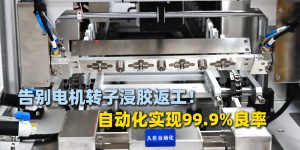
Automation solutions to end the motor rotor production dilemma! The automation solution is targeted to break the deadlock: through the intelligent glue control system + vacuum dipping technology to eliminate air bubbles and errors and omissions, the output of the rotor performance is more stable, to achieve a yield of 99%. # motor automation equipment.
One-stop solution for the selection, application and maintenance of motor magnetizing machine, automatic magnet inserting machine, automatic winding machine and automated production line, professional manufacturers to provide overall solutions and technical support.
 Motor automationmotorassembly