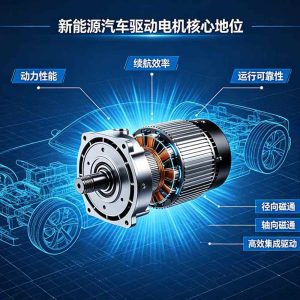
When it comes to news about axial-flux motors, the spotlight is usually on new energy vehicles and humanoid robots. But if you take a closer look at actual shipment destinations, you’ll find that a number of industrial applications—which don’t often make the headlines—are quietly seeing rising demand: elevator traction machines, wind turbines, water pumps, and electric drives for commercial vehicles.
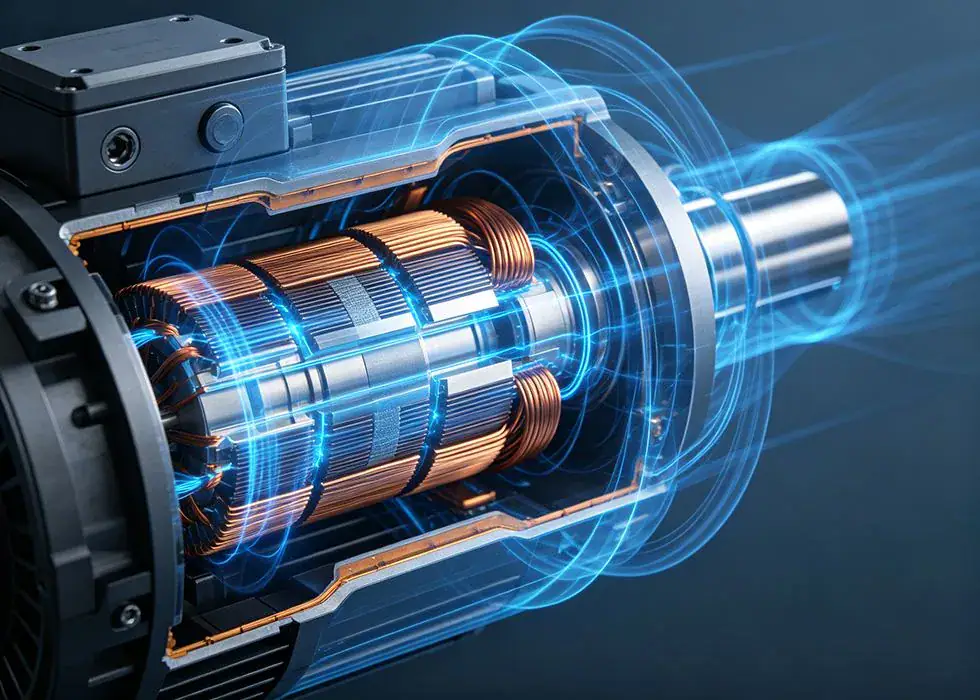
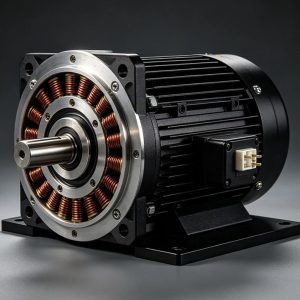
Axial Flux Motor Equipment
Elevator traction machines are the most typical example. What’s crucial for a traction machine is low-speed, high-torque direct drive, for which the axial-flux disc-type structure is naturally well-suited. Even more practical is the space savings—the wafer-thin body can significantly reduce the required dimensions of the elevator shaft and machine room. For projects like retrofitting elevators in older buildings, where space is at a premium, this factor is more persuasive than mere efficiency figures.
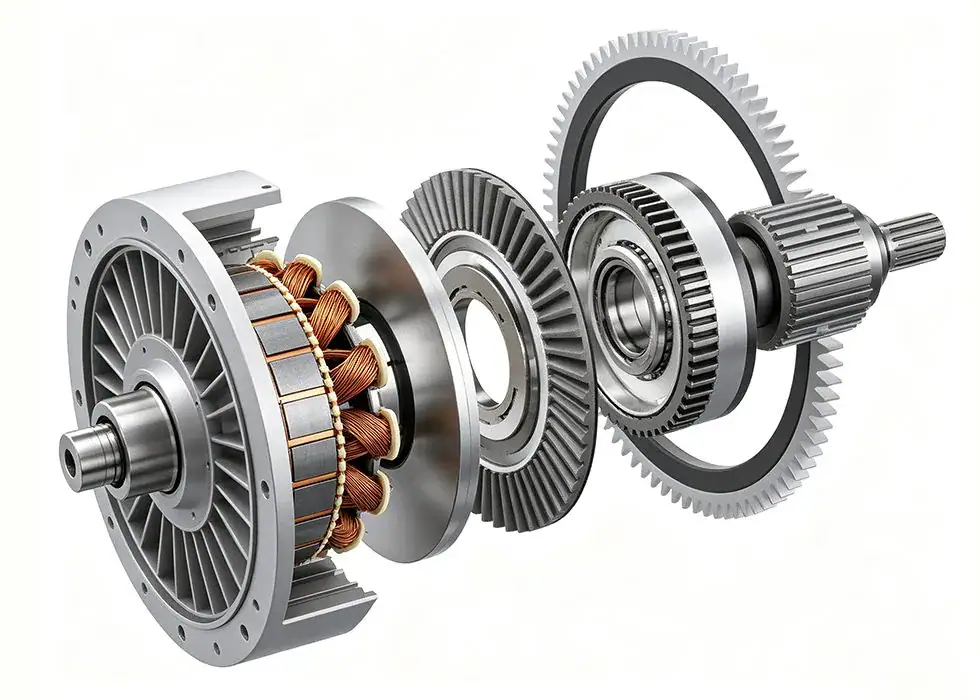
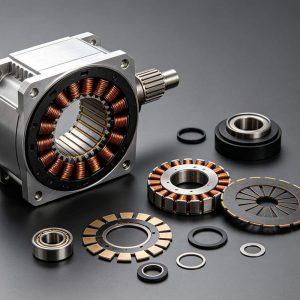
Motor Exploded View
The logic behind fans and pumps is different. This type of equipment operates for thousands of hours a year, and every one percentage point increase in efficiency translates into tangible savings on electricity bills, calculated on an hourly basis. According to publicly available industry data, wind turbines and water pumps that switch to axial flux designs can achieve double-digit energy savings—the higher upfront cost of the equipment is recouped through savings on electricity bills, so if the numbers add up, the business case is sound. Commercial vehicles and buses, on the other hand, prioritize axial dimensions. A shorter electric drive system provides greater flexibility in chassis layout, allowing for more passenger and cargo space within the same vehicle length.
These scenarios have one thing in common: customers are not particularly concerned about technical specifications, but they are extremely sensitive to downtime. A hoisting machine remains installed in a shaft for over a decade, and if a single water pump fails, the entire production line comes to a halt. Therefore, when evaluating suppliers, these customers typically don’t ask about torque density specifications; instead, they focus on the process capability of critical operations, whether assembly data can be fully traced throughout the process, and how repairs are handled in the event of a failure.
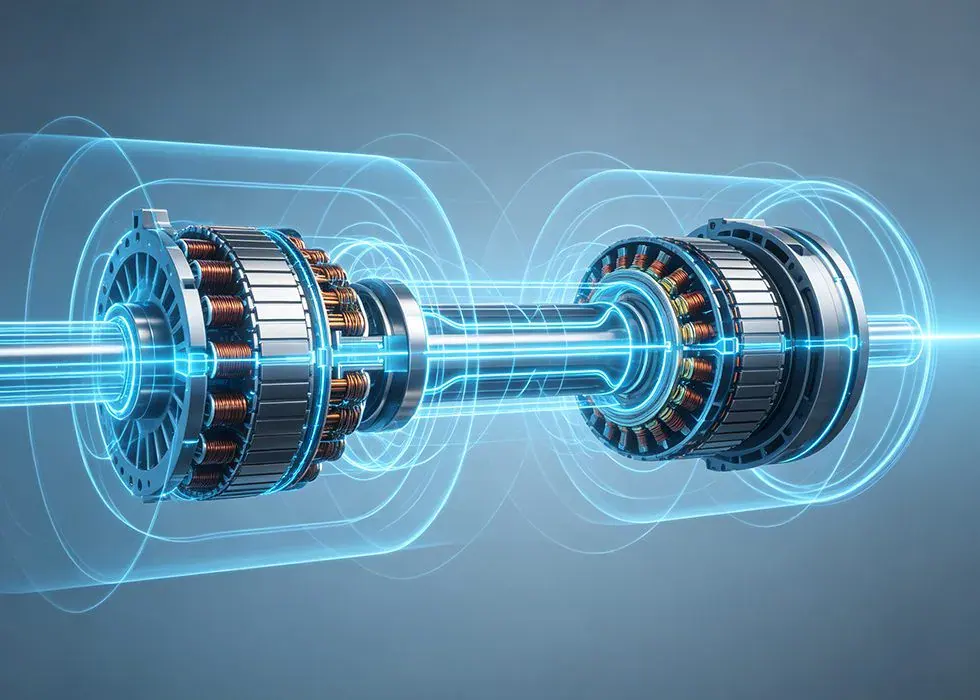
Flux Motor
In its motor assembly line projects, Jiuju has worked with many industrial clients of this kind. During factory audits, the primary focus has always been on ”process evidence”—such as torque curves and press-fit data—rather than prototype performance scores. This actually serves as a wake-up call for the industry: for axial flux motors to gain a firm foothold in industrial applications, the key lies not in pushing peak parameters to the next level, but in ensuring the consistency of every unit and its reliability a decade down the line.
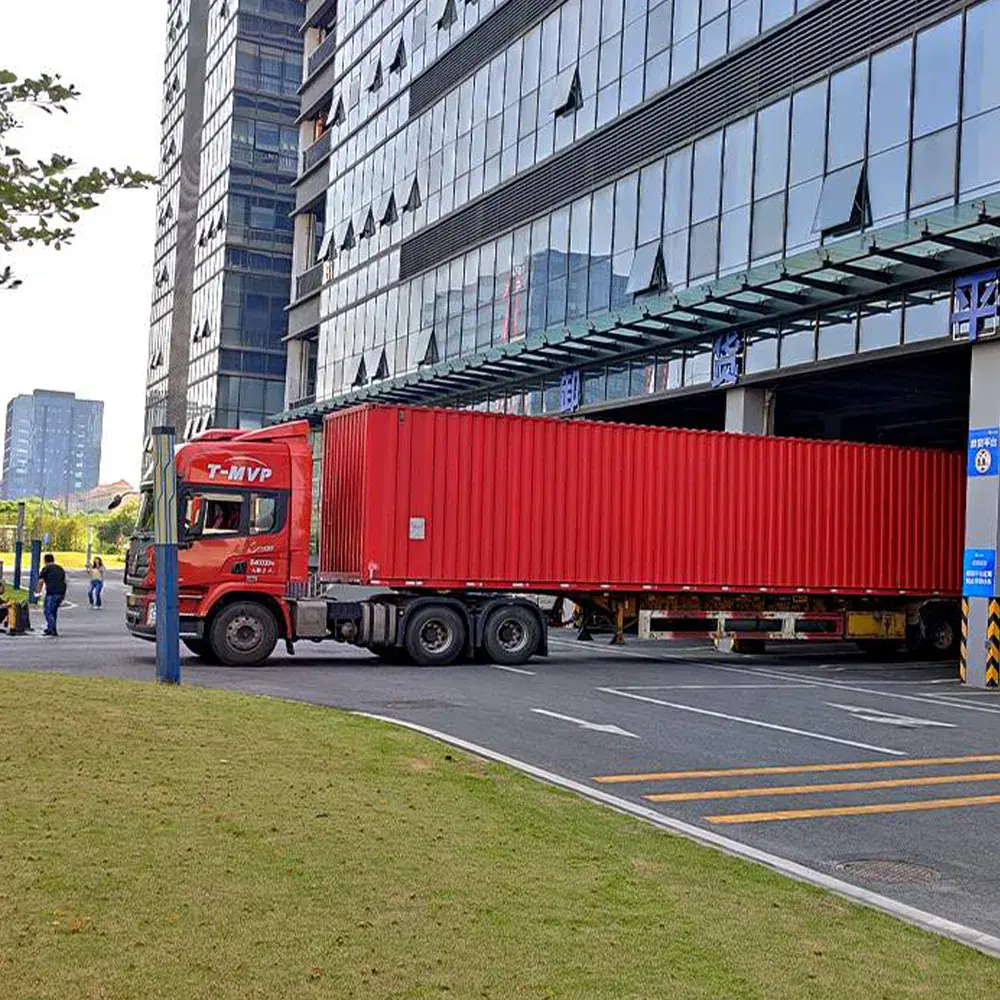
The shipping area outside the workshop was a hive of activity. After multiple rounds of full-machine commissioning, simulated mass-production validation, and factory quality inspection, a Jiuju DC motor automatic assembly line completed all factory-out procedures, was loaded onto trucks on schedule, and is about to depart for the customer's production base, helping the customer's project advance production implementation on plan.
While new energy vehicles and robots are stealing the spotlight, industrial applications such as elevator traction machines, fans, and water pumps are quietly adopting axial flux motors. Here, the focus isn’t on flashy specifications, but on electricity bills and reliability at scale.
While new energy vehicles and robots are stealing the spotlight, industrial applications such as elevator traction machines, fans, and water pumps are quietly adopting axial flux motors. Here, the focus isn’t on flashy specifications, but on electricity bills and reliability at scale.
A multi-pole architecture brings a high-frequency fundamental; at 10,000 rpm the fundamental frequency can reach several kHz. Traditional IGBTs suffer soaring switching losses and severe heating — it is the MHz-class switching capability of SiC MOSFETs that truly matches high-frequency multi-pole axial flux motors.
While new energy vehicles and robots are stealing the spotlight, industrial applications such as elevator traction machines, fans, and water pumps are quietly adopting axial flux motors. Here, the focus isn’t on flashy specifications, but on electricity bills and reliability at scale.
 Jiuju Automation






 Spanish
 French
 German
 Hindi