When robots enter workshop production lines, many people focus their attention on algorithms and models. But there is an unavoidable physical fact: however smart the brain, a machine ultimately works with "muscles". A motor is the core component that converts electrical energy into mechanical motion. If AI is the brain and sensors are the nerves, then the motor is the irreplaceable executive muscle.
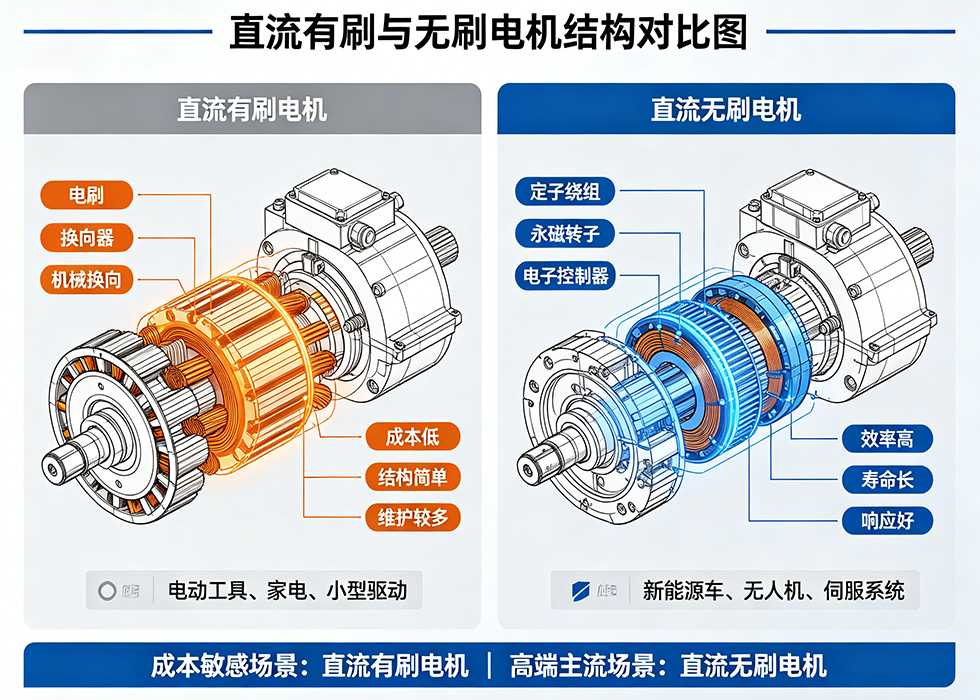
By power supply, motors split into two main branches: DC and AC. In the DC camp, brushed motors are simple in structure, easy to control and low in cost, and remain the workhorse in cost-sensitive scenarios; brushless motors replace mechanical brushes with electronic commutation, offering high efficiency, long life and low noise, and are now mainstream in new-energy vehicles, drones and robotics. In the AC camp, induction motors are rugged and durable and suit high-power operation, a reliable force on the industrial floor; synchronous motors run at stable speed with high efficiency, and permanent-magnet synchronous types have become the mainstream solution for high-end drives.
Morphology Diagram of Three Types of Joint Motors for Humanoid Robots
In scenarios pursuing precision control, the protagonists become steppers and servos. A stepper motor "steps and stops", completing open-loop positioning with pulse signals alone — low cost and fast response, seen everywhere in 3D printers and CNC machine tools; a servo motor uses an encoder for real-time feedback to form a closed loop, with positioning accuracy and dynamic response a cut above, almost indispensable in industrial robots and high-end equipment. The two have their own division of labour and together support modern precision manufacturing.
Structural Comparison Diagram of DC Brushed and Brushless Motors
In the era of humanoid robots, motor forms have evolved once again. Frameless torque motors remove the housing and shaft system and are embedded directly into the joint for direct drive, with high torque density and almost zero backlash; integrated joint modules combine motor, reducer, encoder and driver into one unit, like a complete "joint muscle"; and coreless motors, running smoothly and starting and stopping extremely fast, have become standard in dexterous hands and precision medical devices.
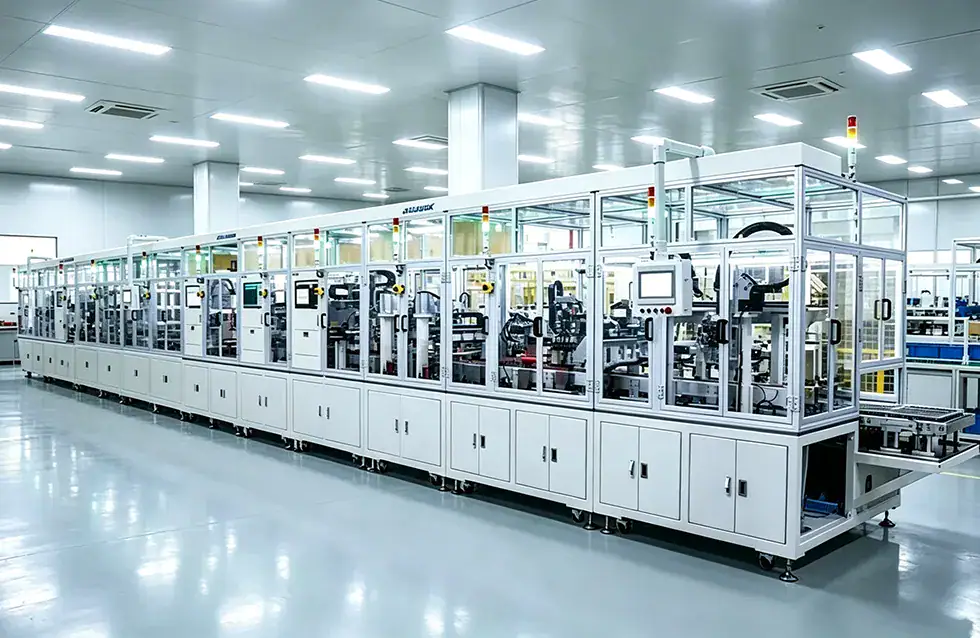
Jiuju Automatic Motor Assembly Line
Motor performance sets the physical ceiling of a machine, but a good motor is likewise inseparable from the manufacturing equipment behind it. From stator winding and rotor assembly to magnetizing, inspection and final assembly, every operation tests the level of automation. Jiuju has long cultivated motor automation equipment for many years, offering non-standard customized overall solutions such as magnetizing, dispensing and soldering, serving customers in new energy, 3C electronics and other industries, making these "joints hidden inside machines" more stable, more precise and more reliable.
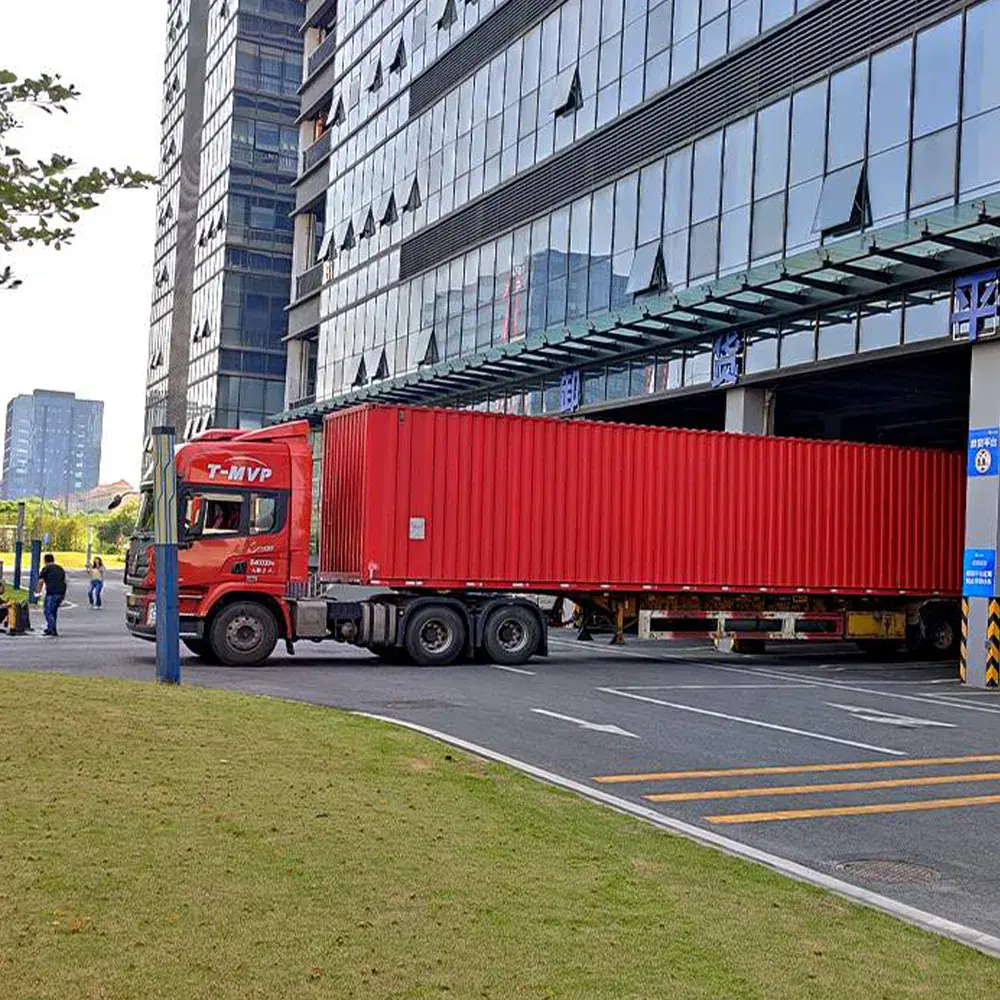
The shipping area outside the workshop was a hive of activity. After multiple rounds of full-machine commissioning, simulated mass-production validation, and factory quality inspection, a Jiuju DC motor automatic assembly line completed all factory-out procedures, was loaded onto trucks on schedule, and is about to depart for the customer's production base, helping the customer's project advance production implementation on plan.
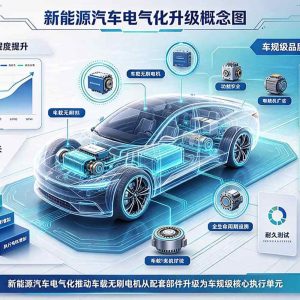
Jiuju Automation provides automated assembly solutions for drive motors in new energy vehicles, integrating key processes such as winding, magnet insertion, magnetization, and testing to ensure high efficiency, high consistency, and full traceability throughout the entire process.
Jiuju Automation provides automated assembly solutions for drive motors in new energy vehicles, integrating key processes such as winding, magnet insertion, magnetization, and testing to ensure high efficiency, high consistency, and full traceability throughout the entire process.
In response to the needs of the low-altitude economy and the power requirements of drones, Jiuju Automation has launched an automated production line for drone motors, improving thrust-to-weight ratio and consistency, and helping drone OEMs reduce costs through mass production.
 Jiuju Automation





 Spanish
 French
 German
 Hindi