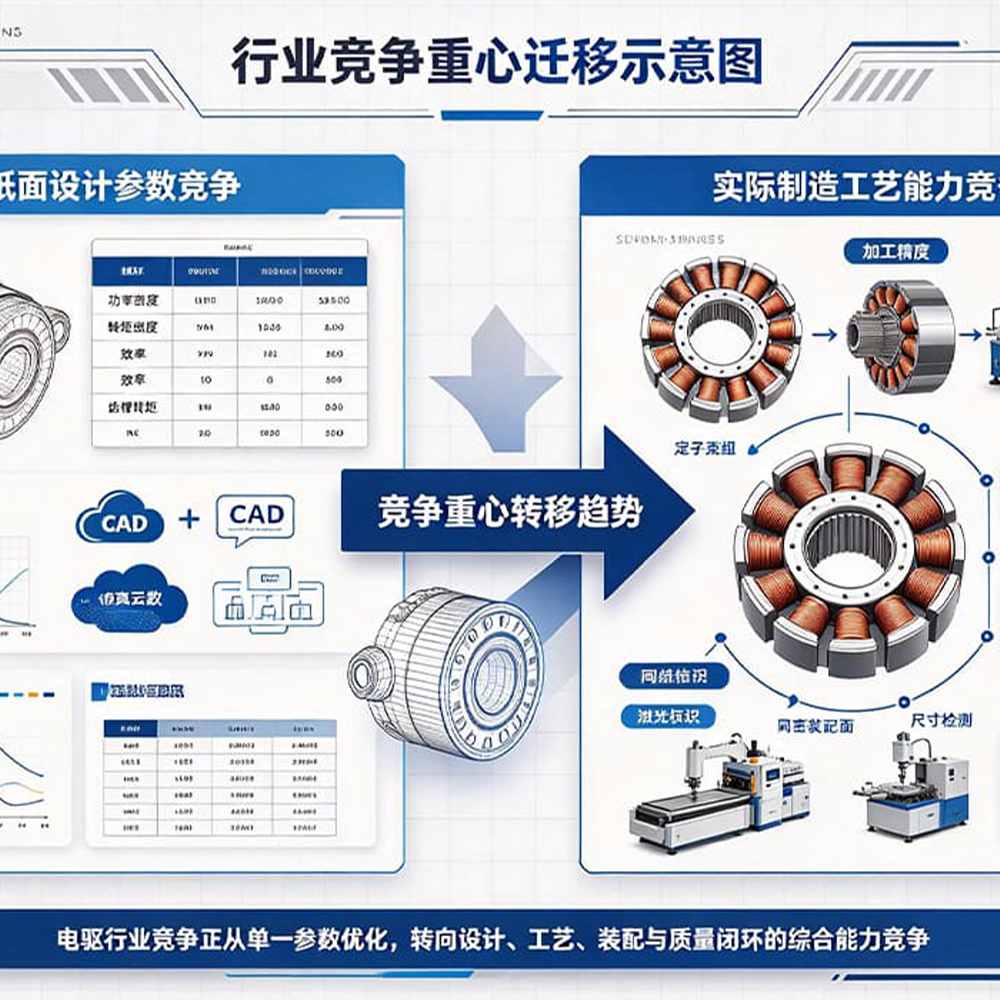
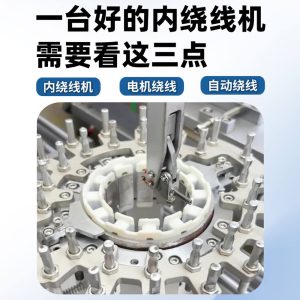
Motor stator winding directly affects motor efficiency, temperature rise and finished-product consistency. Traditional manual winding depends on worker skill: copper wire layout is uneven and turn errors and insulation damage occur frequently. Not only is production efficiency low, but product quality fluctuates greatly, and when orders surge the delivery pressure on enterprises is especially acute. Moving to automated winding equipment has become an important choice for upgrading stator manufacturing. An automatic stator winding machine can precisely control turns, tension and wire layout, reduce copper-wire scratching and ensure uniform stator processes. The equipment can run continuously and stably, compressing the production cycle and rapidly scaling up capacity. Together with an accompanying inspection step, it effectively controls the defect rate, helping manufacturers break through the bottleneck of manual production and genuinely improving delivery capability and product competitiveness for batch orders.
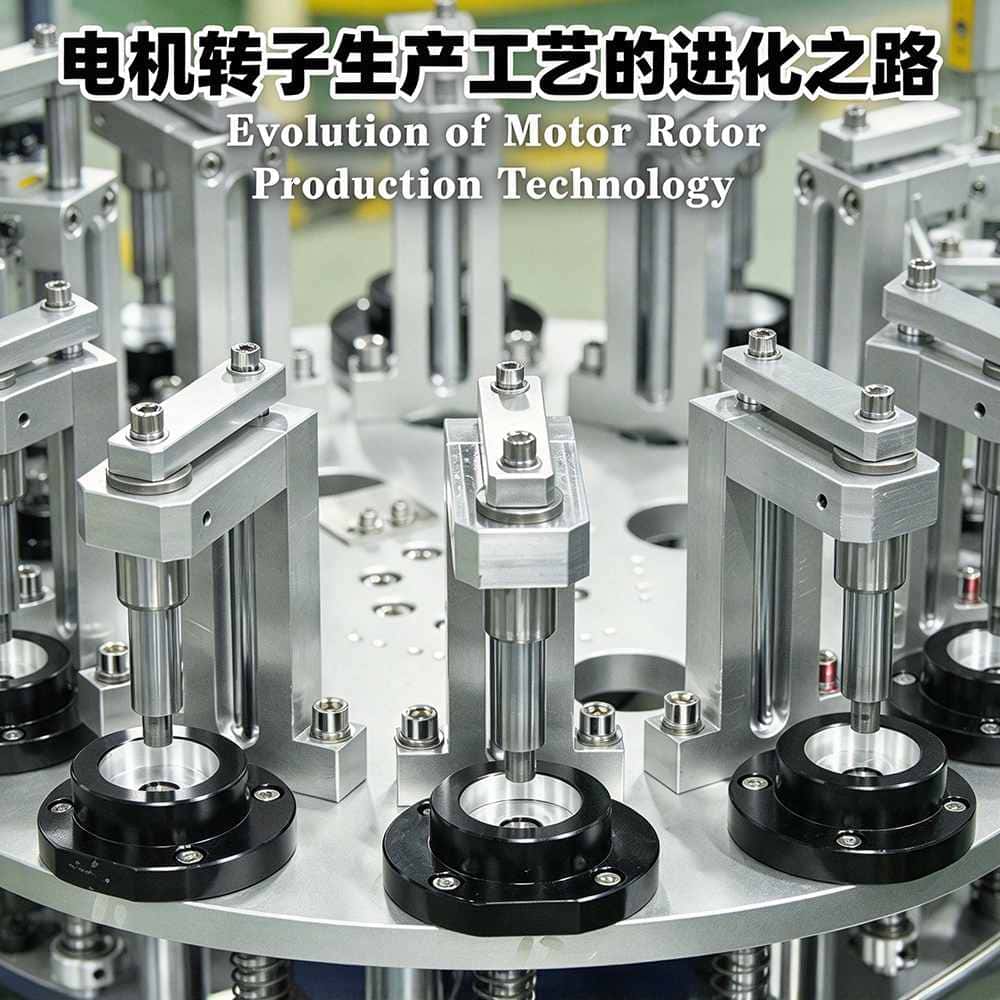
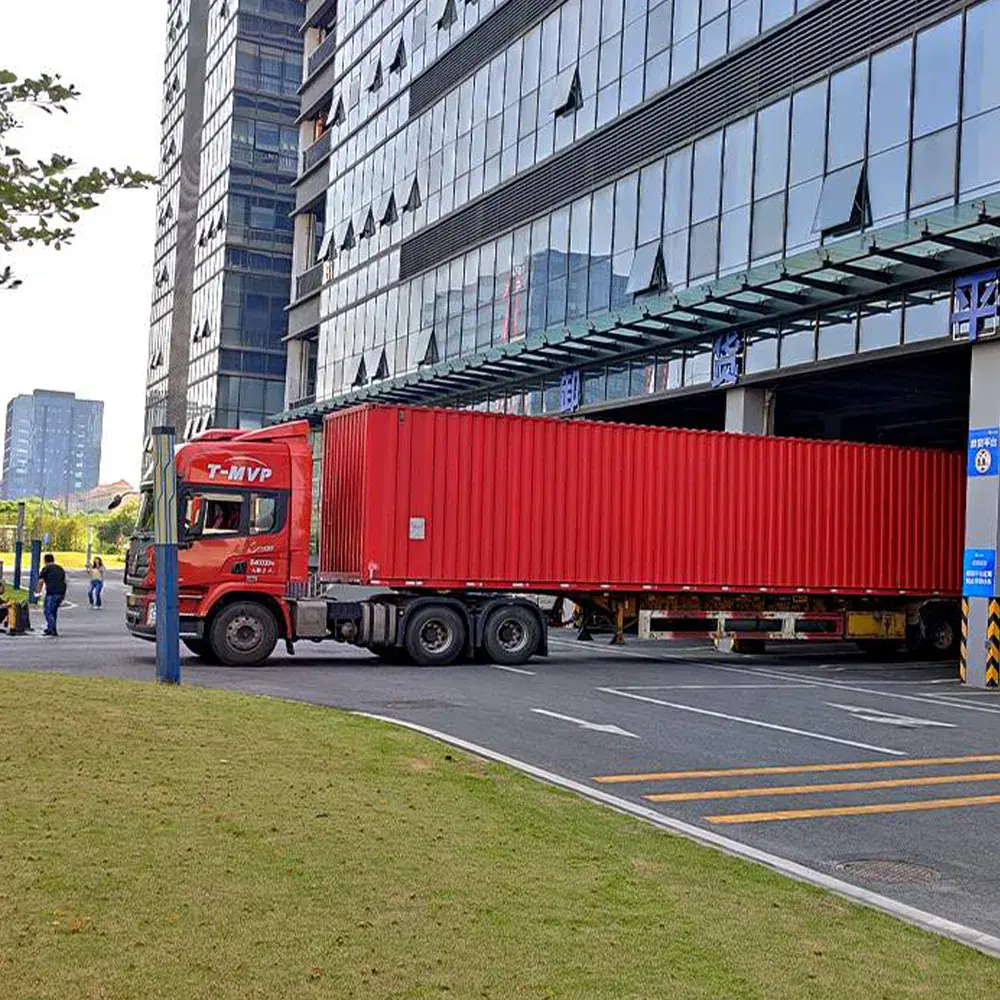
The shipping area outside the workshop was a hive of activity. After multiple rounds of full-machine commissioning, simulated mass-production validation, and factory quality inspection, a Jiuju DC motor automatic assembly line completed all factory-out procedures, was loaded onto trucks on schedule, and is about to depart for the customer's production base, helping the customer's project advance production implementation on plan.
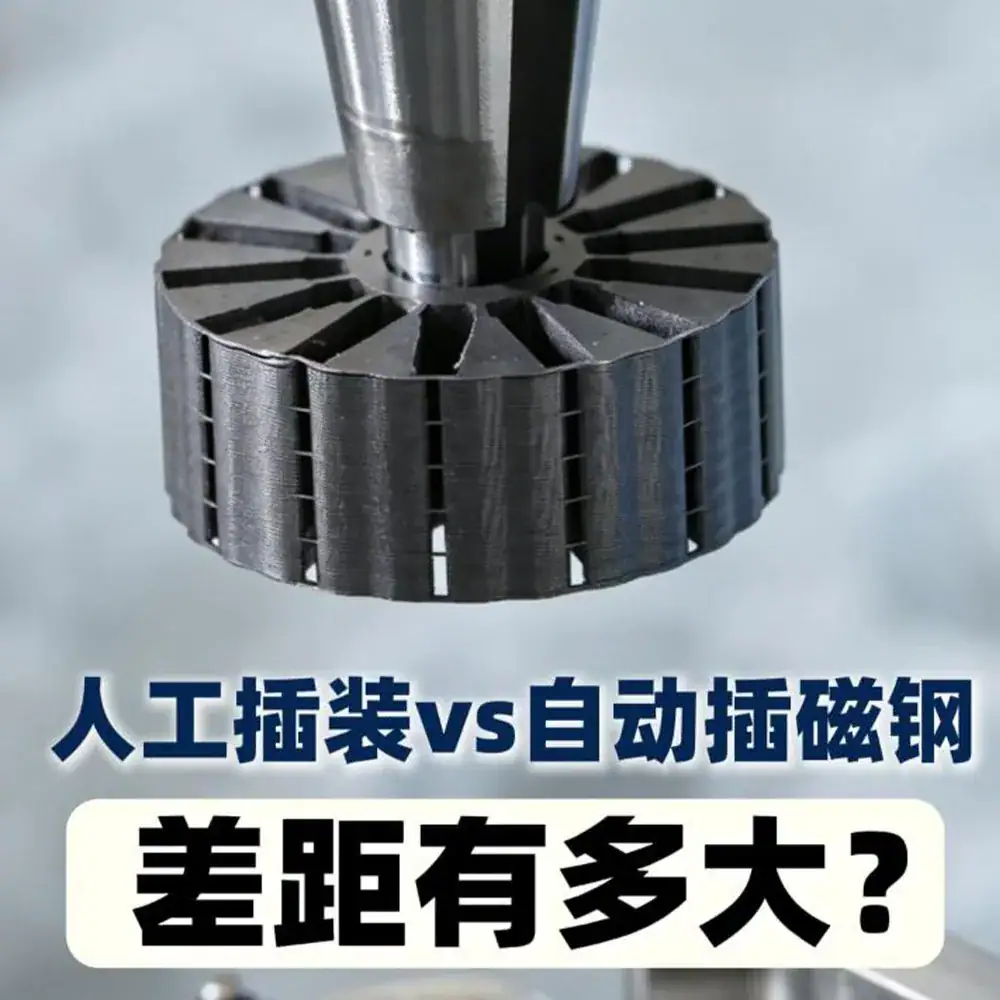
A fully developed automated motor assembly line can replace a large number of workers, with production capacity and consistency far exceeding those of traditional methods. This video explains the challenges of manual assembly and the key advantages of automated production lines.
Jiuju Automation provides CNC motor winding machines and stator winding production lines suitable for brushless, servo, series-wound, and transformer coils, ensuring full slot fill and consistent turn-to-turn consistency.
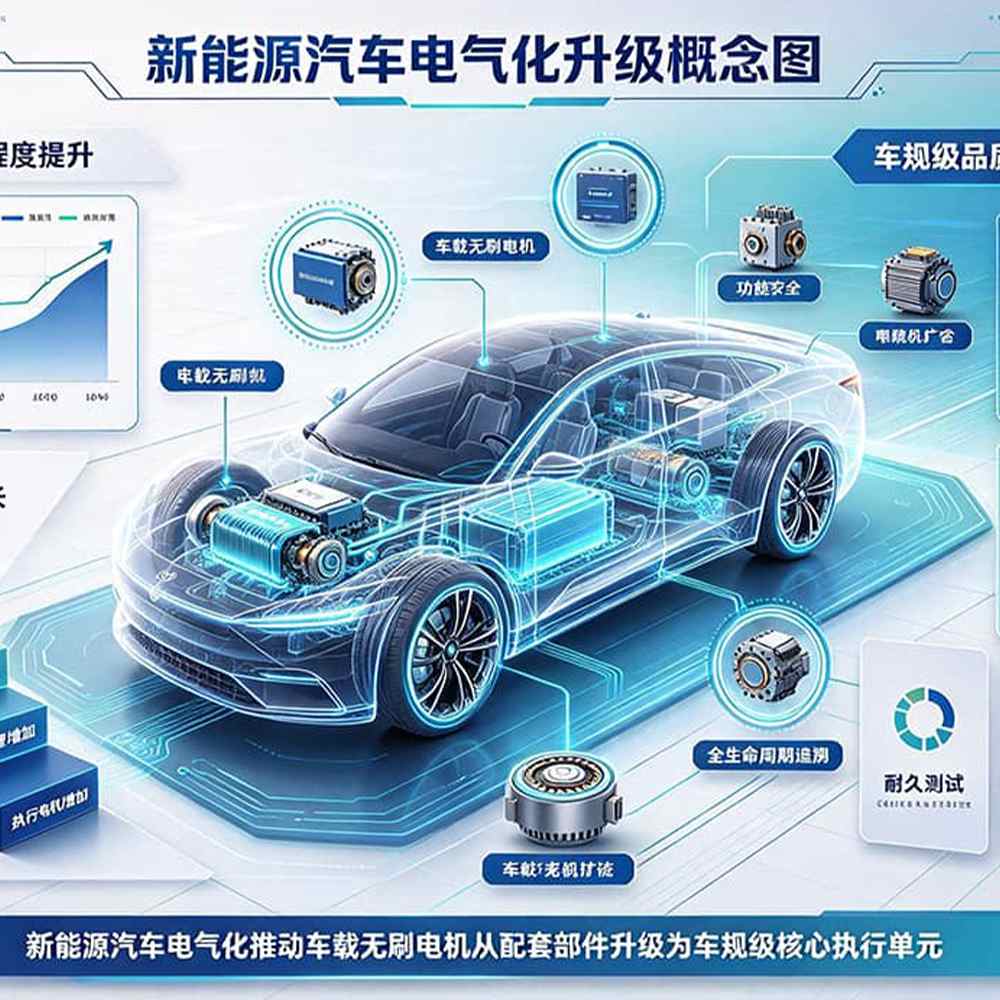
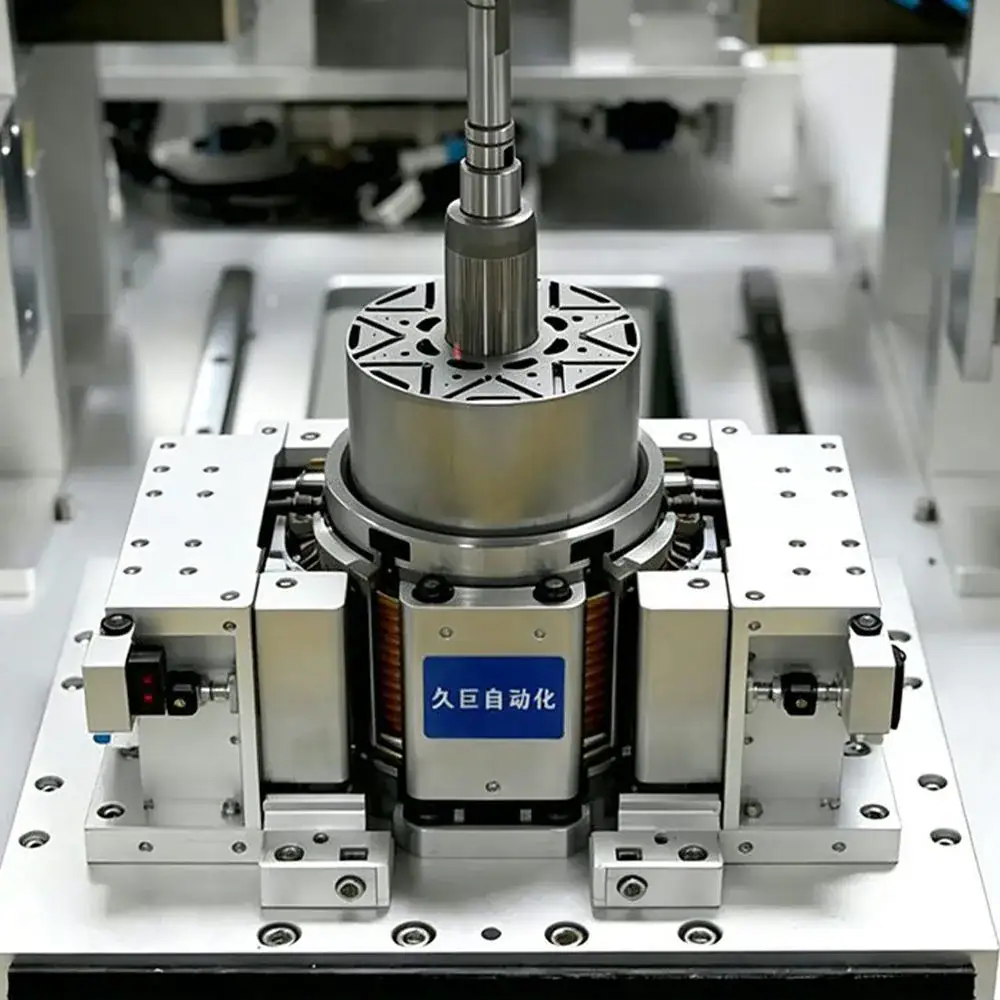
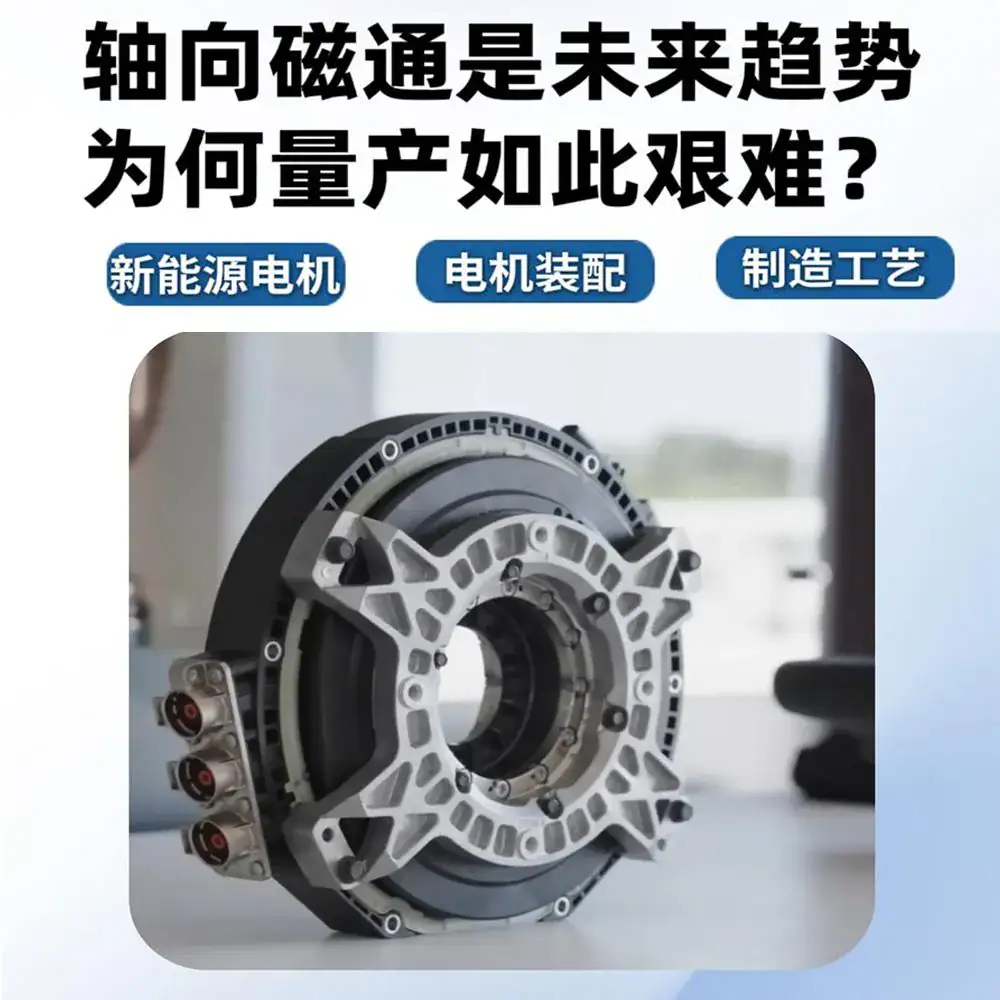
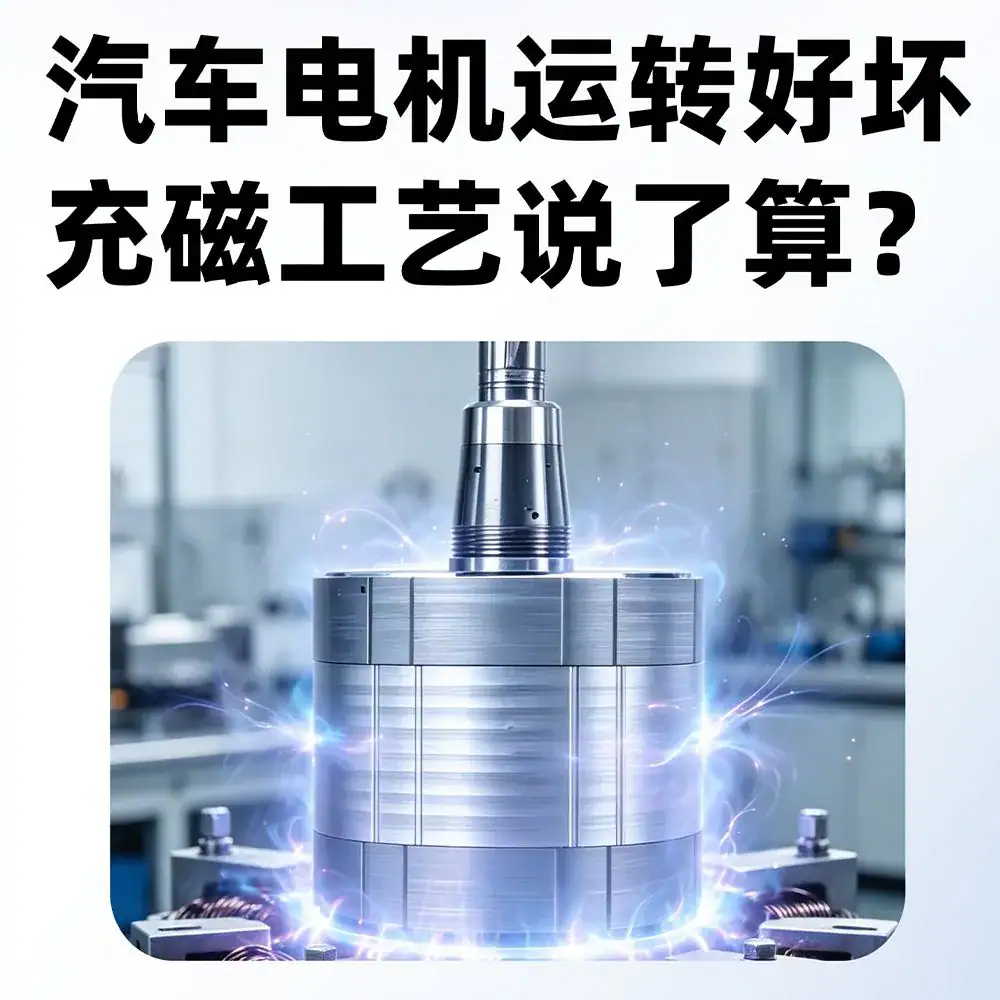
Jiuju Automation provides automated assembly solutions for drive motors in new energy vehicles, integrating key processes such as winding, magnet insertion, magnetization, and testing to ensure high efficiency, high consistency, and full traceability throughout the entire process.
A fully developed automated motor assembly line can replace a large number of workers, with production capacity and consistency far exceeding those of traditional methods. This video explains the challenges of manual assembly and the key advantages of automated production lines.
 Jiuju Automation




 Spanish
 French
 German
 Hindi