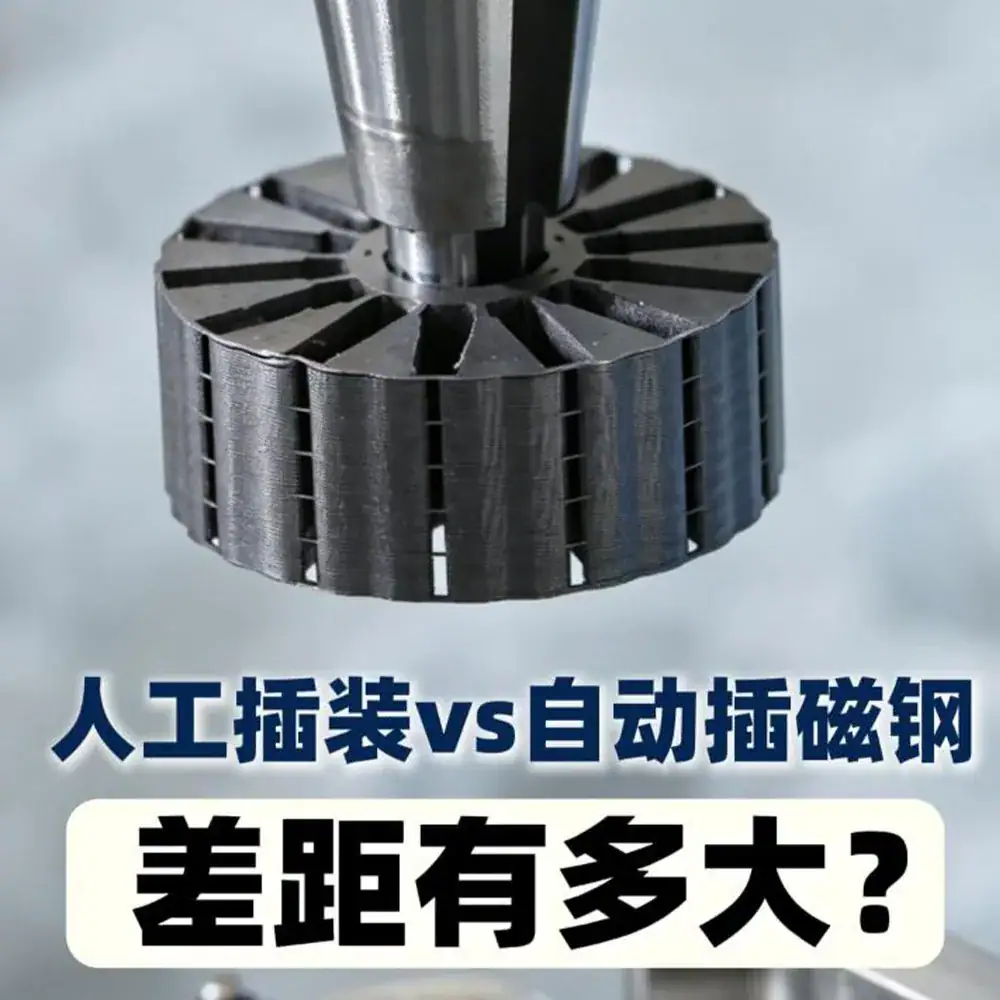
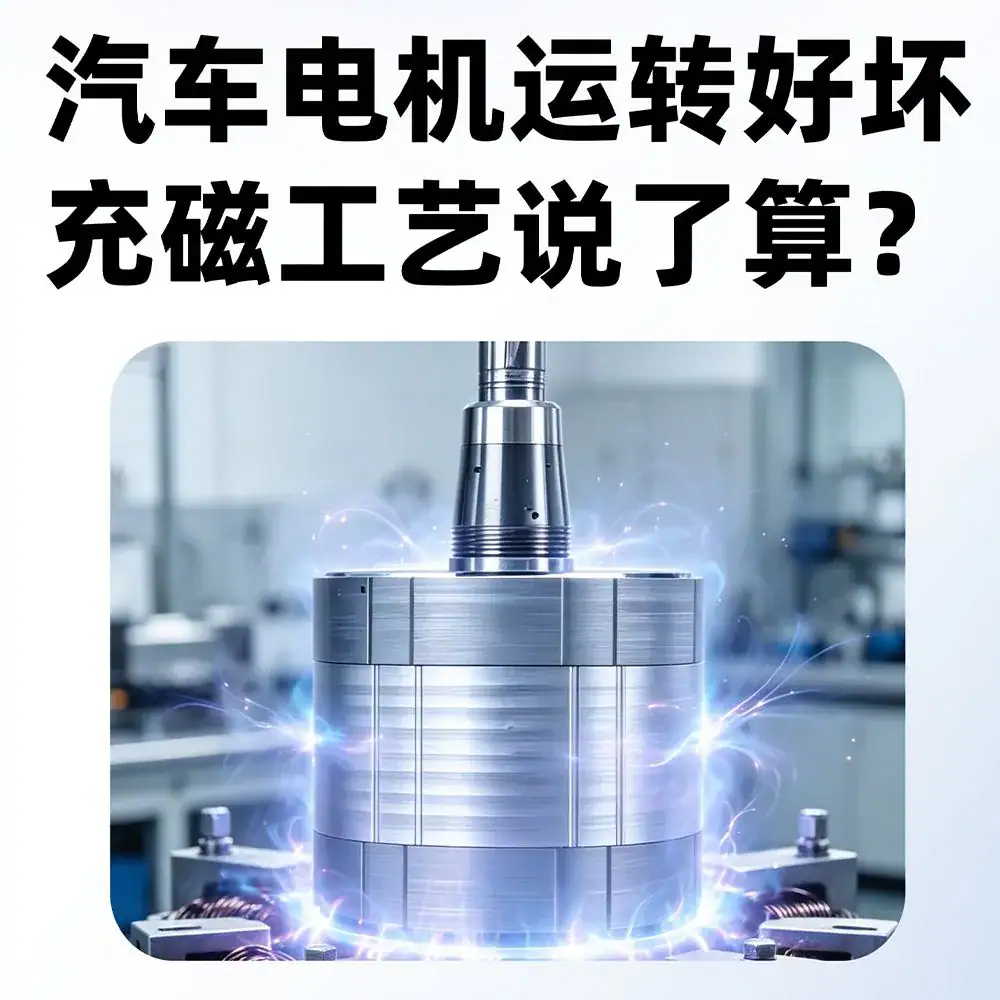
The magnetization of automotive motors requires high magnetization precision and stable magnetic flux control; the entire process is carried out step-by-step, centered on core operations such as magnet feeding, positioning, magnetization, and demagnetization testing. In the initial stage, servo positioning and magnetic field simulation ensure precise magnet polarity and assembly angles; pulse magnetization and in-line magnetic flux detection are then performed to reject semi-finished products with substandard magnetic fields. Polarity verification and visual pre-inspection are added during the middle assembly stage to ensure that every product meets design requirements; In the final production stage, comprehensive testing of magnetic flux, temperature resistance, and demagnetization rate is conducted. The entire production line addresses the challenges of feeding multiple magnet models and reduces human error through simple automated fixtures, ensuring the core user experience of magnetization accuracy, efficiency, and stability for automotive motors while controlling costs.
Jiuju Motor Assembly Line | Automotive Motor Magnetization | Jiuju Motor Assembly Line
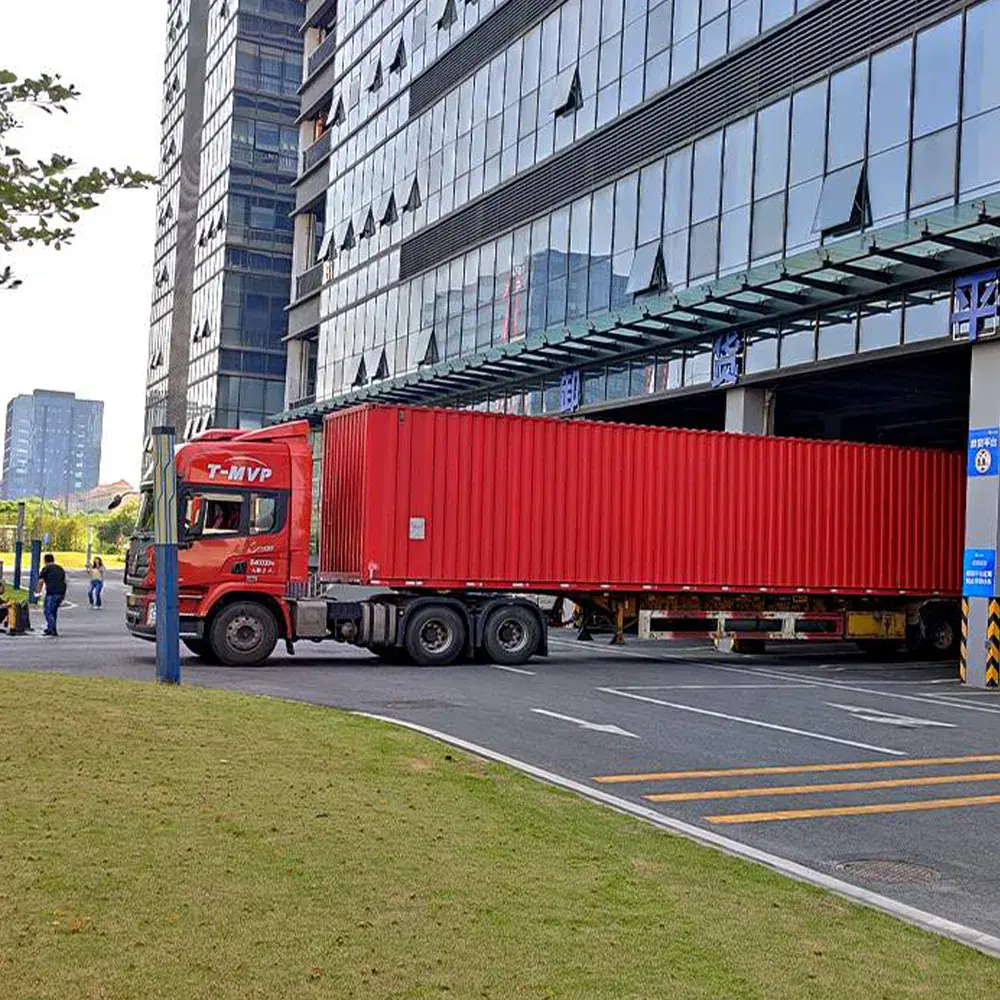
The shipping area outside the workshop was a hive of activity. After multiple rounds of full-machine commissioning, simulated mass-production validation, and factory quality inspection, a Jiuju DC motor automatic assembly line completed all factory-out procedures, was loaded onto trucks on schedule, and is about to depart for the customer's production base, helping the customer's project advance production implementation on plan.
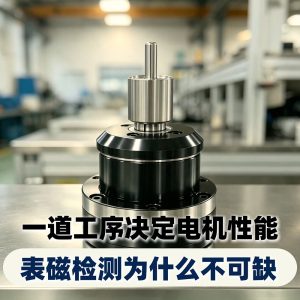
Electric motors in new energy vehicles have stringent requirements for magnetic field uniformity. This video explains how surface magnetic field testing can be used to quantify pole performance and control motor NVH and efficiency at the source.
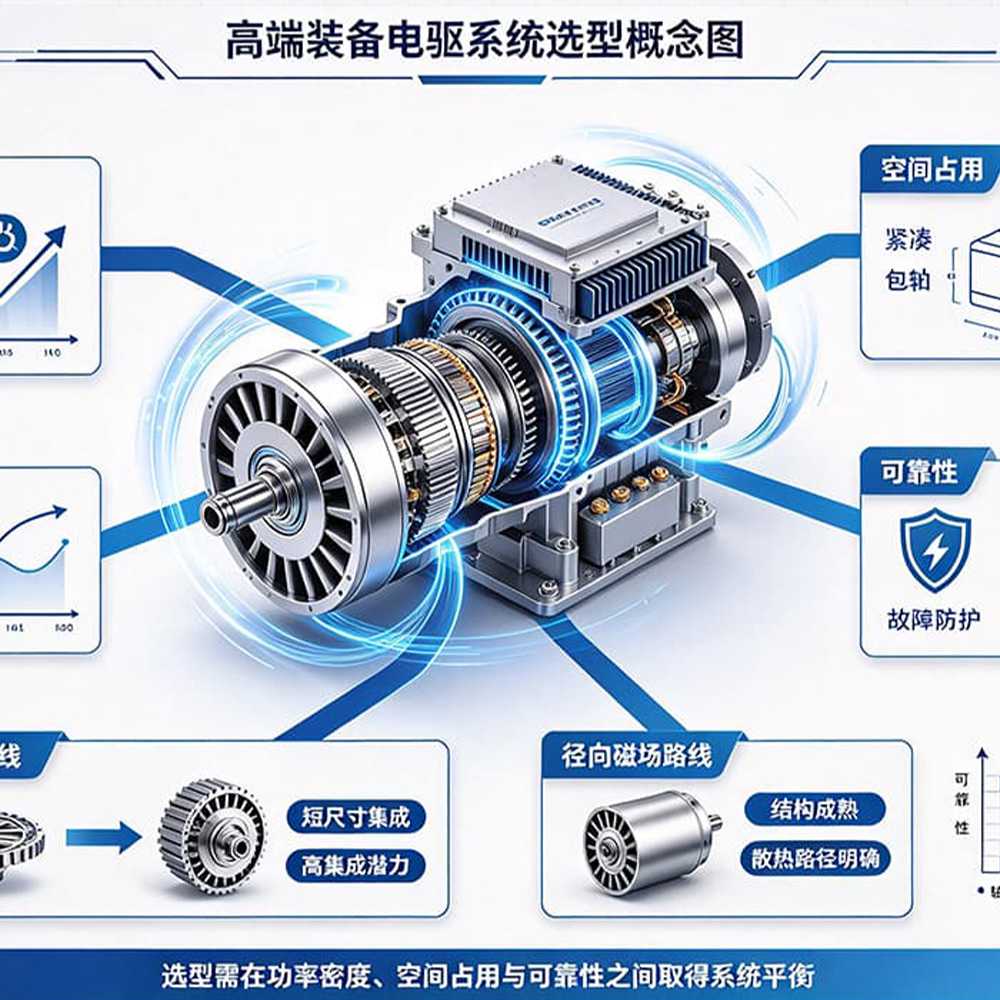
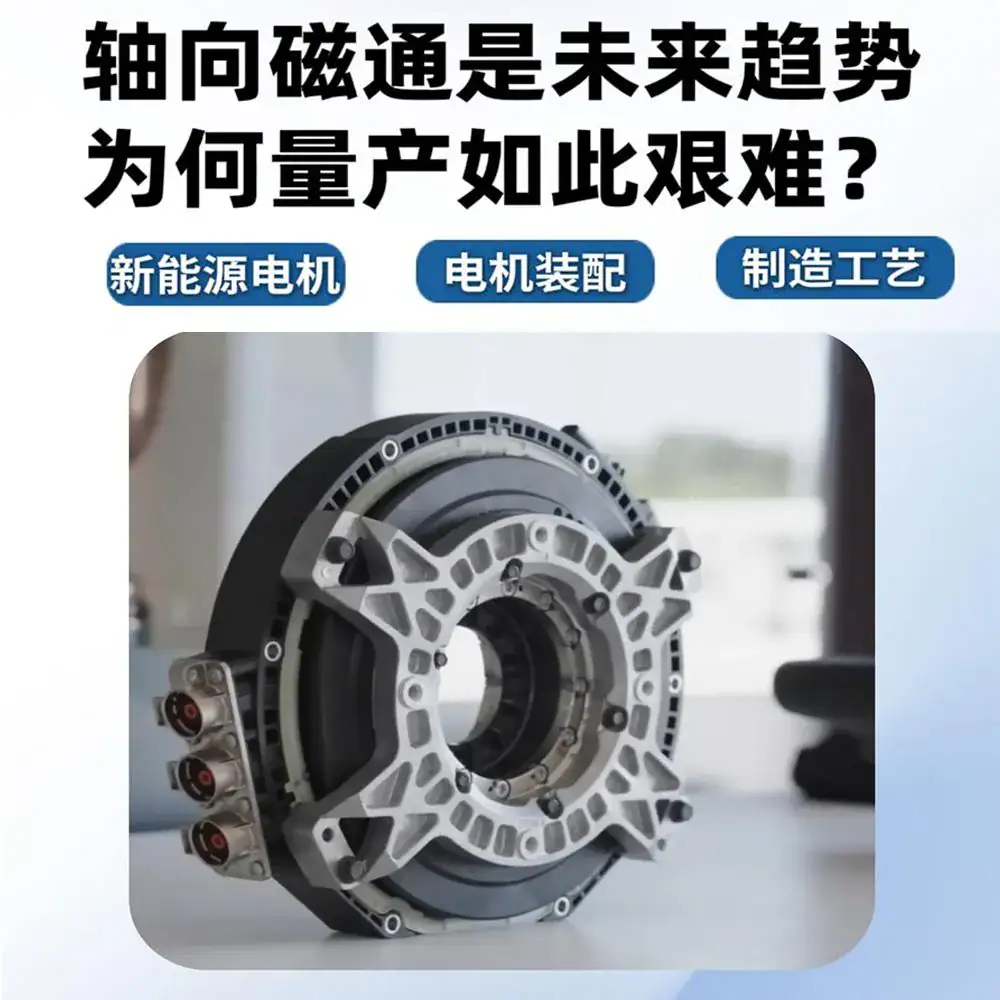
A multi-pole architecture brings a high-frequency fundamental; at 10,000 rpm the fundamental frequency can reach several kHz. Traditional IGBTs suffer soaring switching losses and severe heating — it is the MHz-class switching capability of SiC MOSFETs that truly matches high-frequency multi-pole axial flux motors.
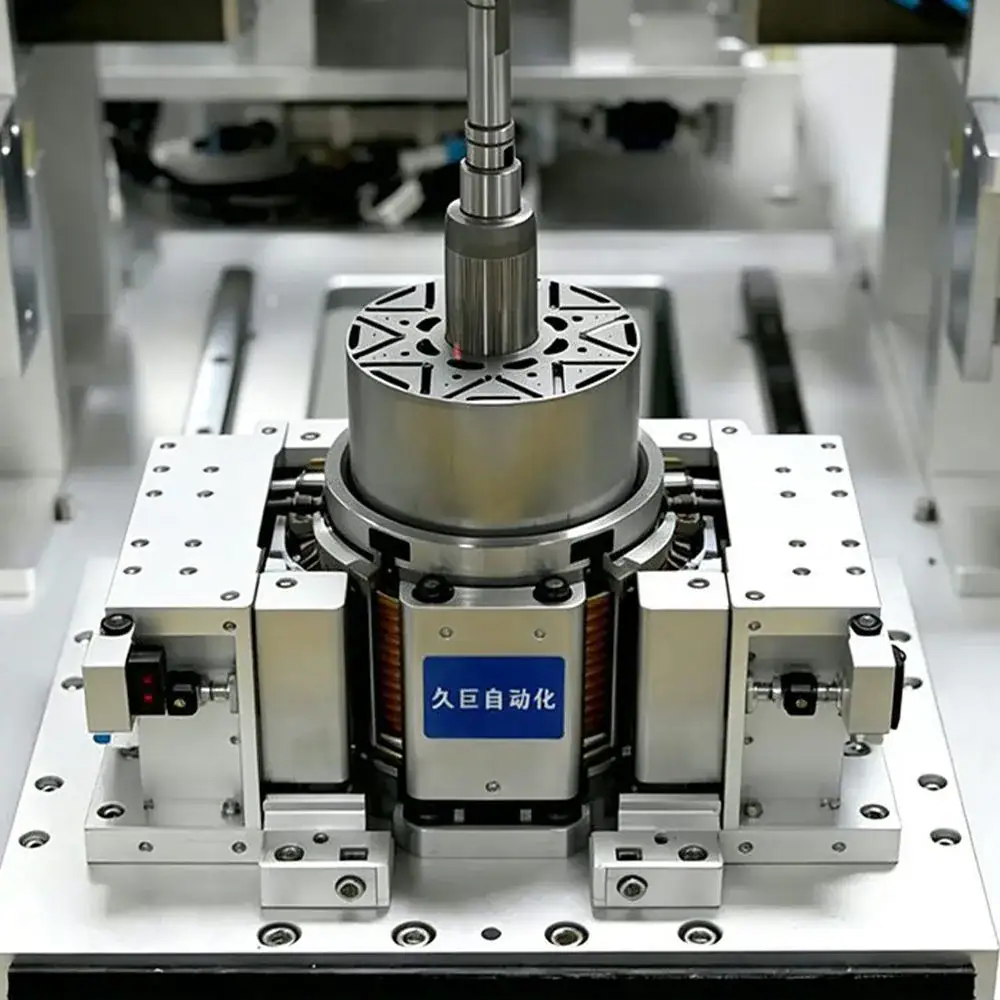
Axial-flow fan motors feature a disc-type structure and require extremely high assembly precision. This video provides a step-by-step breakdown of the entire process, from stator varnishing and magnet mounting to stator-rotor assembly, adhesive application and curing, and finally testing and encapsulation.
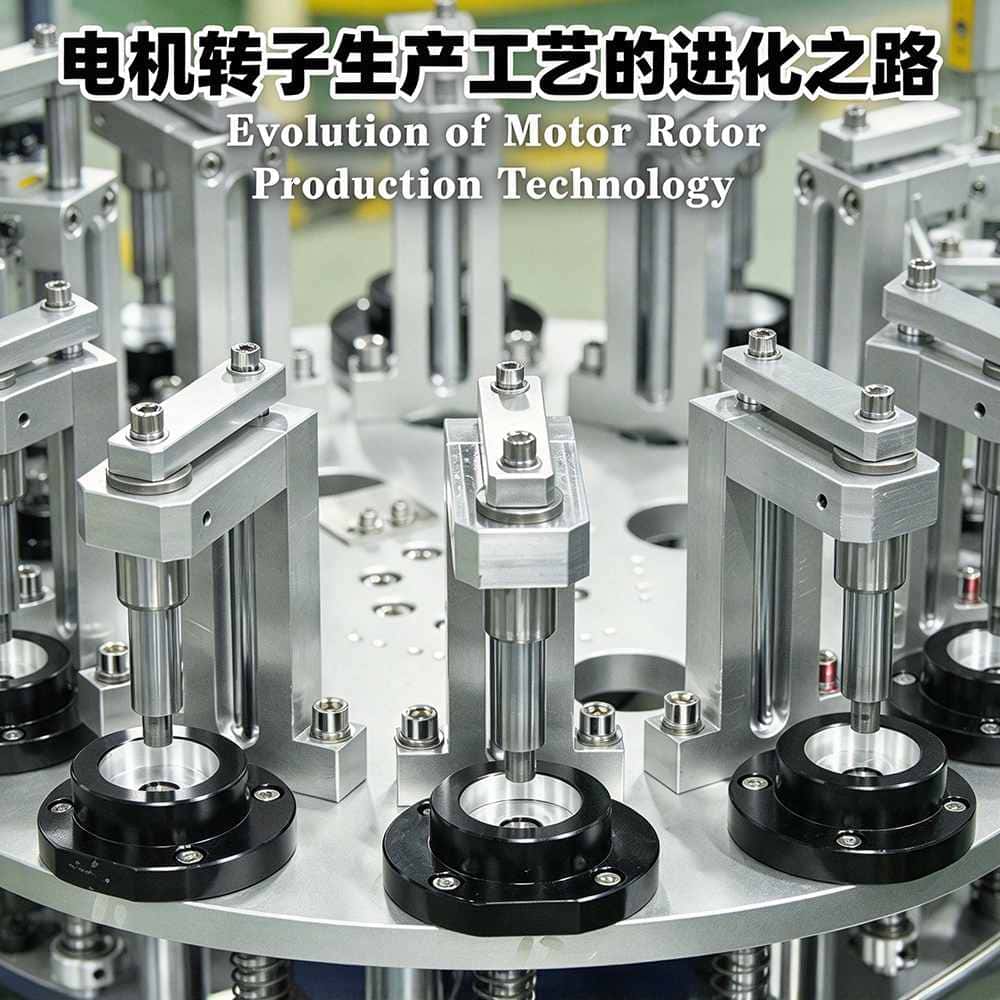
Jiuju Automation provides high-precision automatic assembly lines for axial flux motors, covering processes such as stator winding, magnet assembly, rotor balancing, and final product testing. These lines are suitable for applications in drones, new energy vehicles, and industrial drives. The company holds over 256 patents and is ISO 9001 certified...
 Jiuju Automation






 Spanish
 French
 German
 Hindi