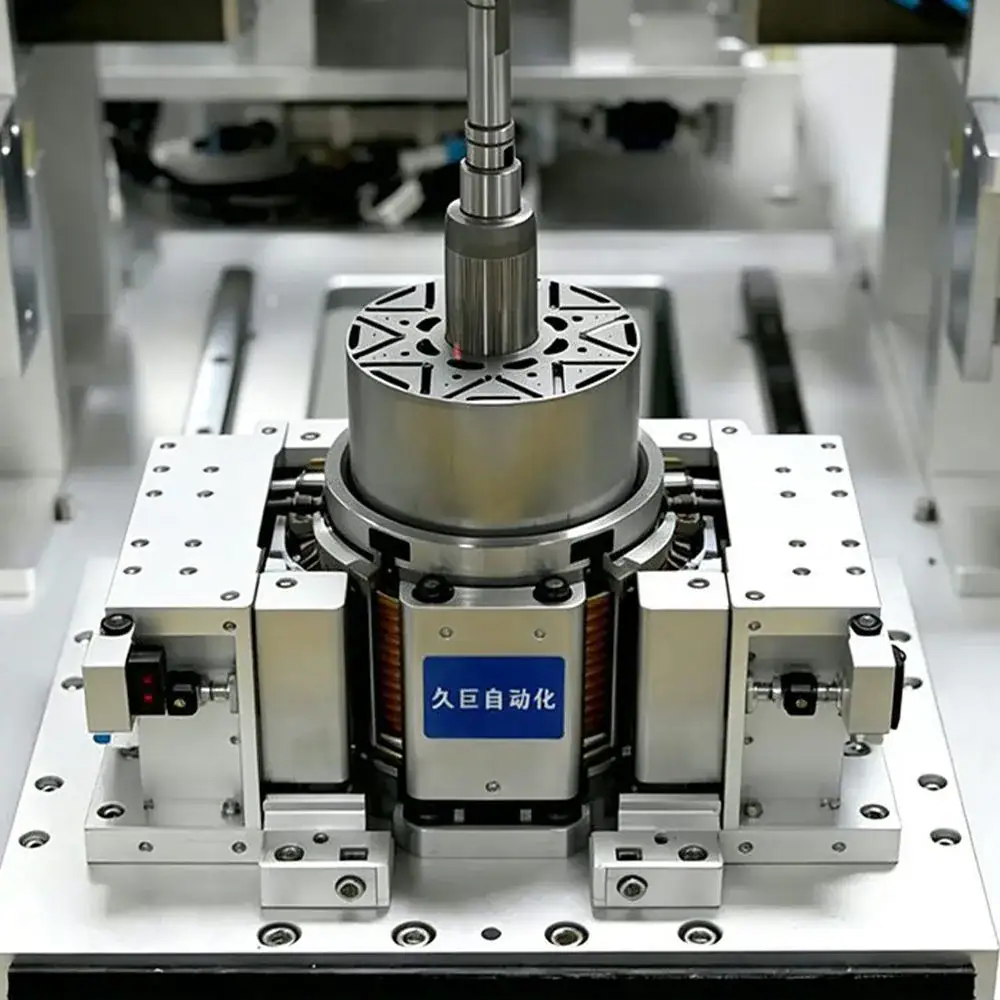
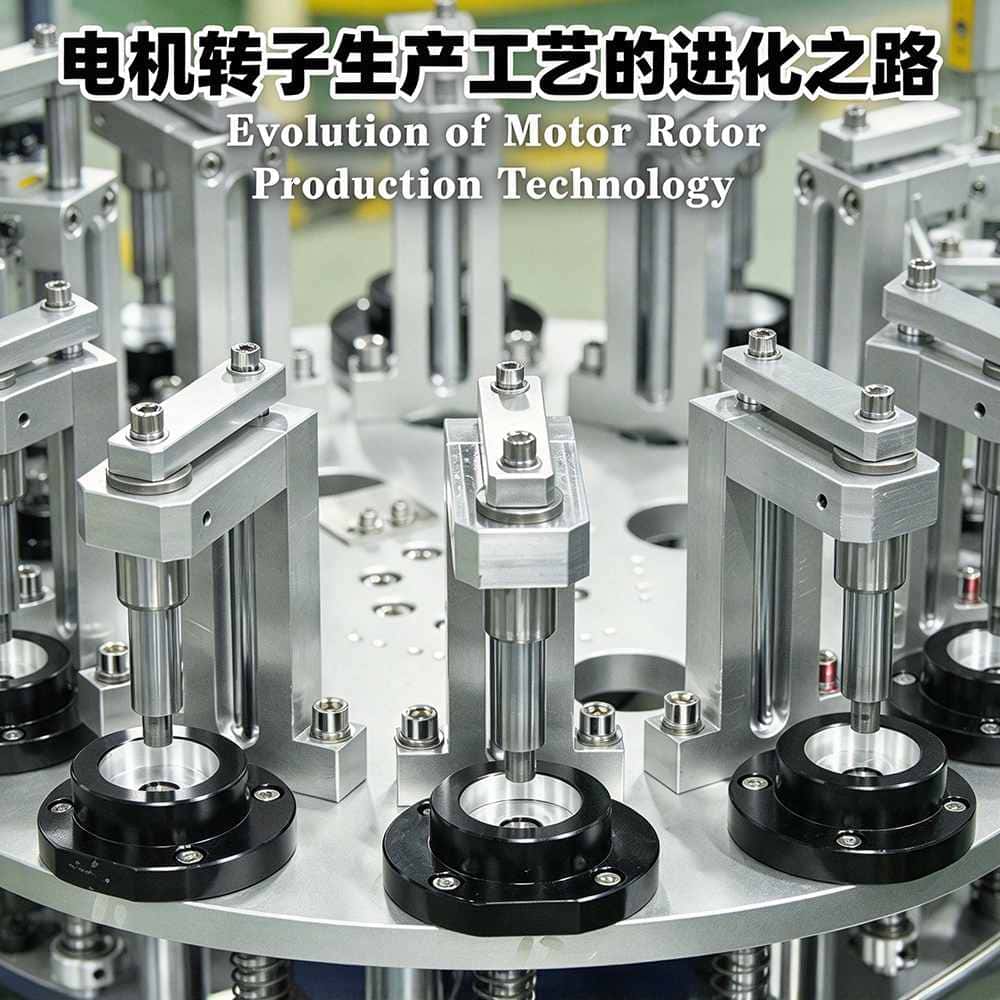
The motor assembly production line aims for high cycle rates, high consistency, and stable yield rates. The entire assembly process is carried out in step-by-step stages, focusing on core sub-assemblies such as stator/rotor assembly, magnet/bearing press-fitting, housing assembly, and lead wire securing. In the initial stage, stator winding, insulation protection, and magnetic positioning are completed, with strict control over assembly precision to prevent magnetic field misalignment. Next, the rotor is pressed into place and bearings are pre-installed, using wear-resistant precision bearings to reduce operating noise. Subsequently, the housing is assembled and leads are secured, with proper insulation to prevent short circuits. Midway through the assembly process, dimensional and magnetic flux pre-inspections are added to reject semi-finished products with assembly deviations; in the final inspection stage, comprehensive testing of no-load speed, current, and noise is conducted. The entire production line accommodates the flexible demands of multiple product varieties. Through modular tooling that enables rapid changeovers, it minimizes human error while controlling assembly costs and ensuring the efficiency, quiet operation, and stable performance of the motor assembly line. For detailed technical specifications, please refer toMotor Assembly Production Line, For more video examples, please visitAutomated Motor Equipment。
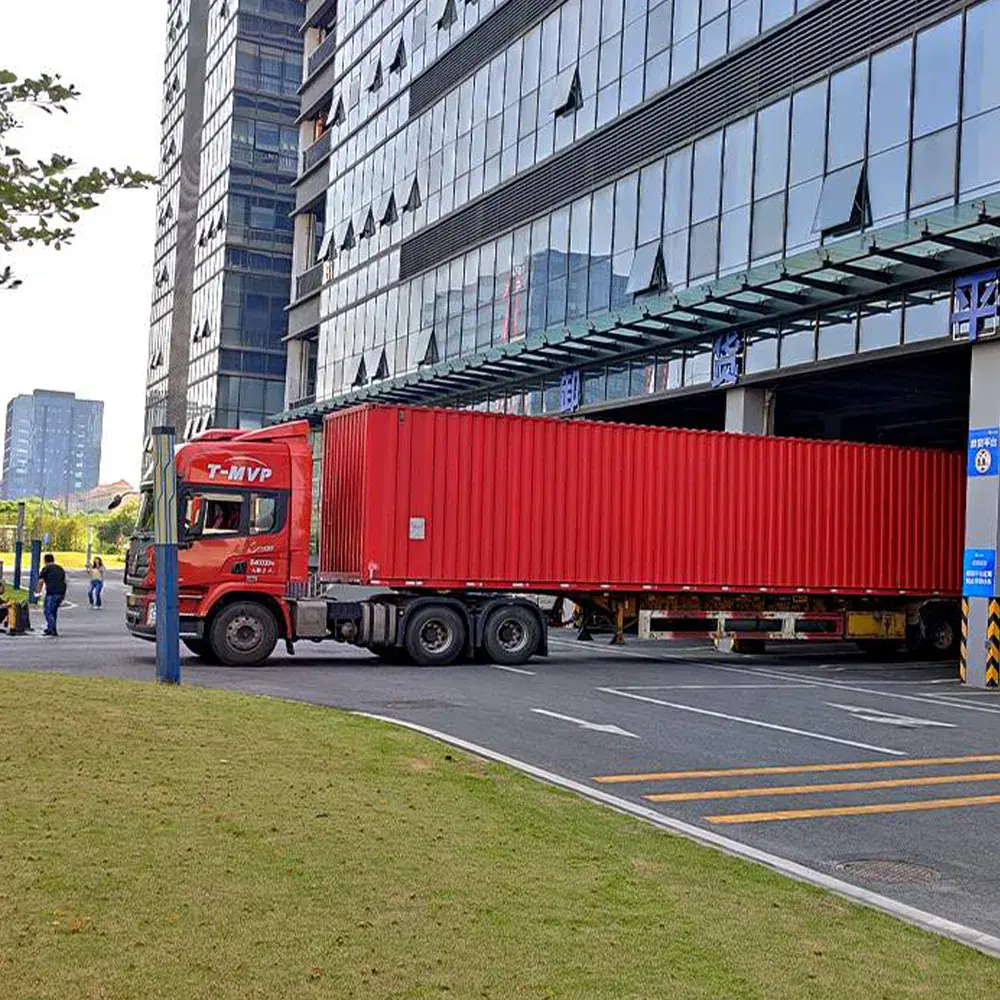
The shipping area outside the workshop was a hive of activity. After multiple rounds of full-machine commissioning, simulated mass-production validation, and factory quality inspection, a Jiuju DC motor automatic assembly line completed all factory-out procedures, was loaded onto trucks on schedule, and is about to depart for the customer's production base, helping the customer's project advance production implementation on plan.
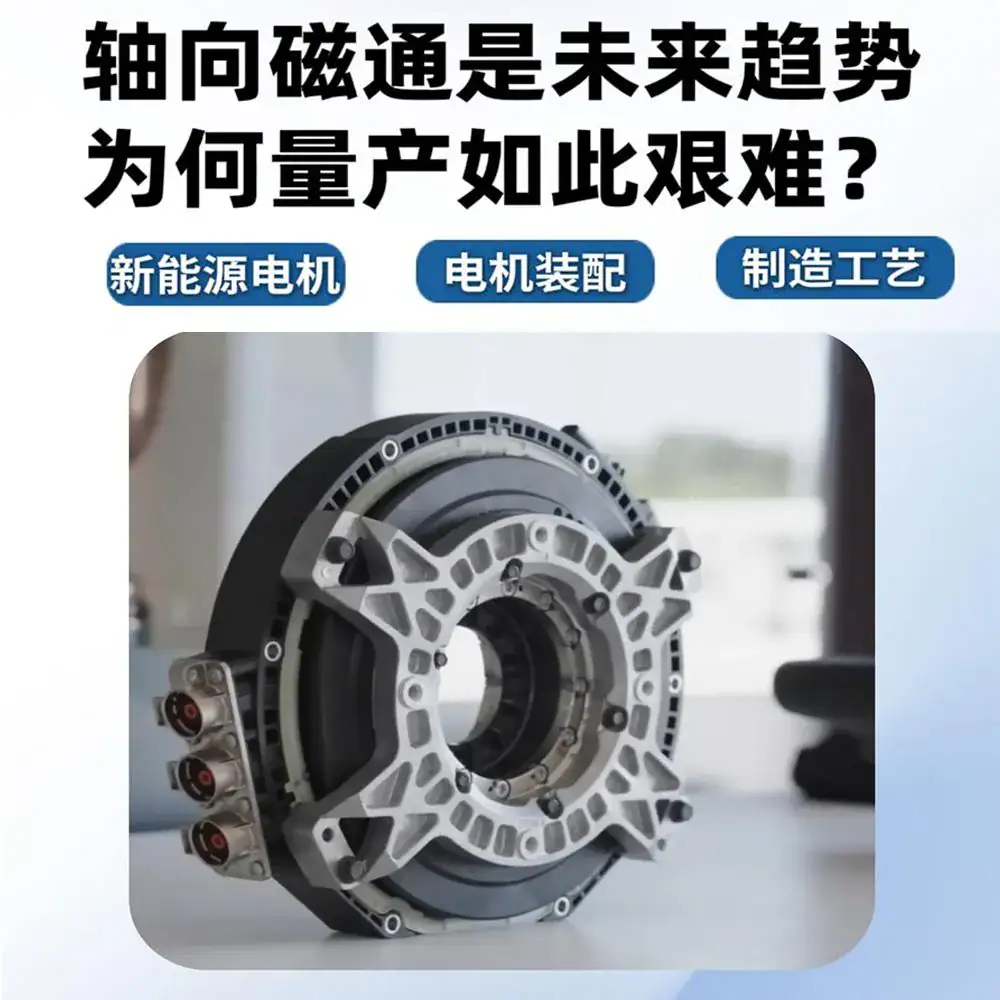
Axial-flux motors feature high power density and a flat design, but their mass production is constrained by three major bottlenecks: heat dissipation, axial force, and consistency. This video analyzes the engineering challenges involved.
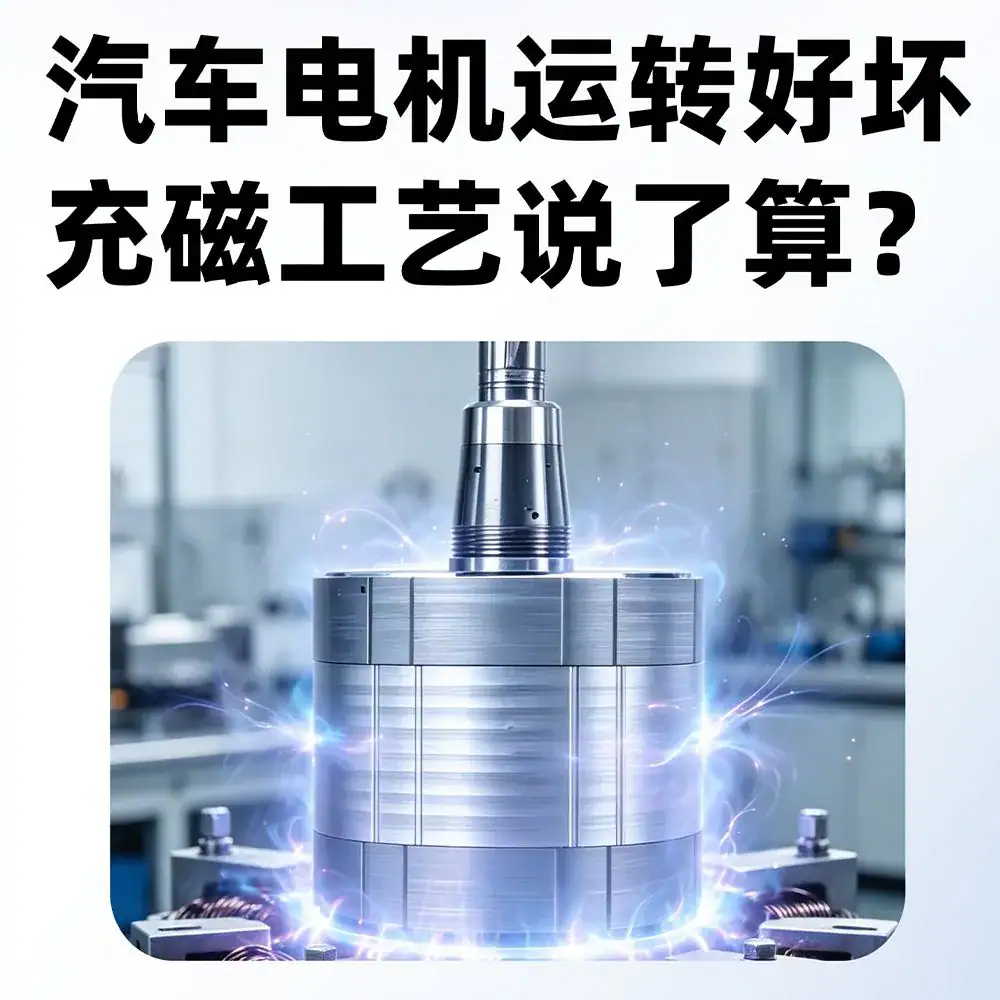
Magnetization of automotive motors requires high precision and stable magnetic flux control. This video explains the process logic behind assembling first and then magnetizing, as well as Jiuju’s magnetization solution for automotive motors.
Magnetizing automotive motors demands high precision and stable flux control. This video case shows the complete assemble-then-magnetize process and the quality assurance methods.
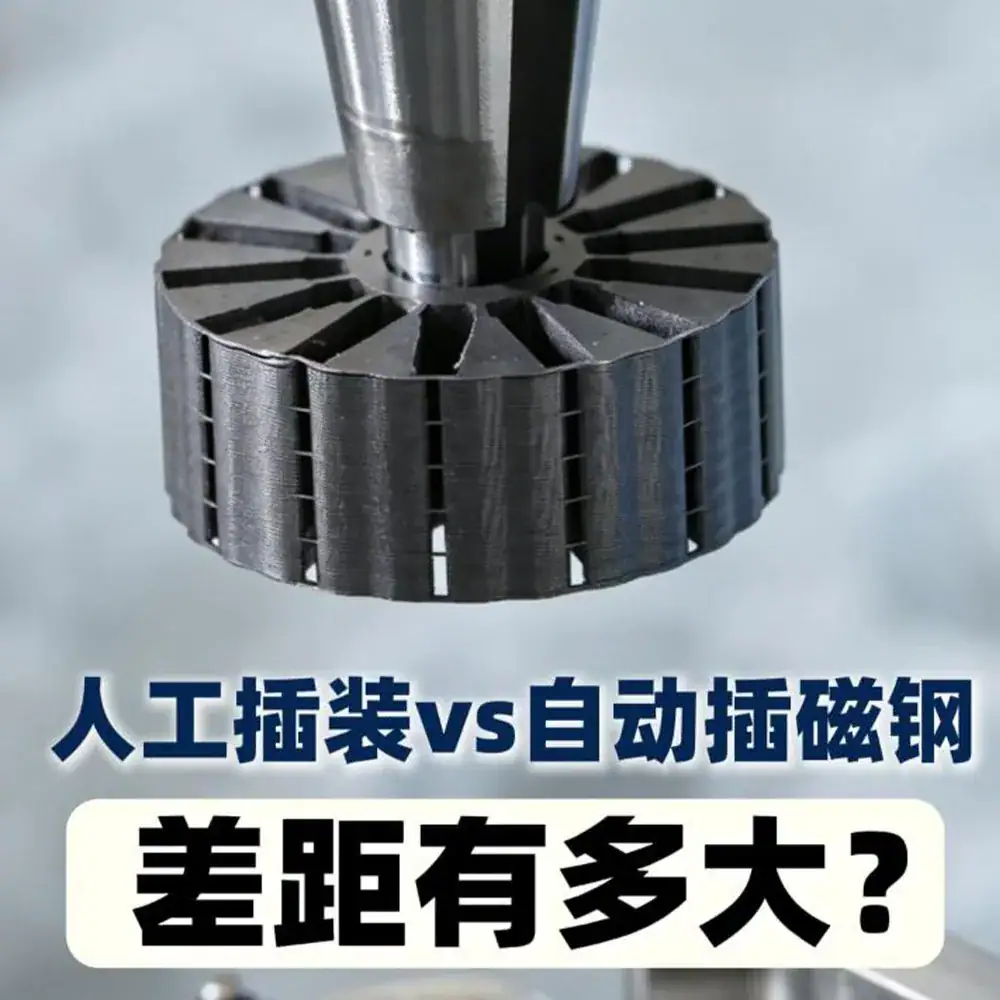
The disc-type structure of axial flux motors places extremely high demands on air gap, magnet alignment, and stator-rotor assembly precision, making manual assembly difficult to meet the requirements of mass production. This video explains the benefits of automation.
 Jiuju Automation






 Spanish
 French
 German
 Hindi