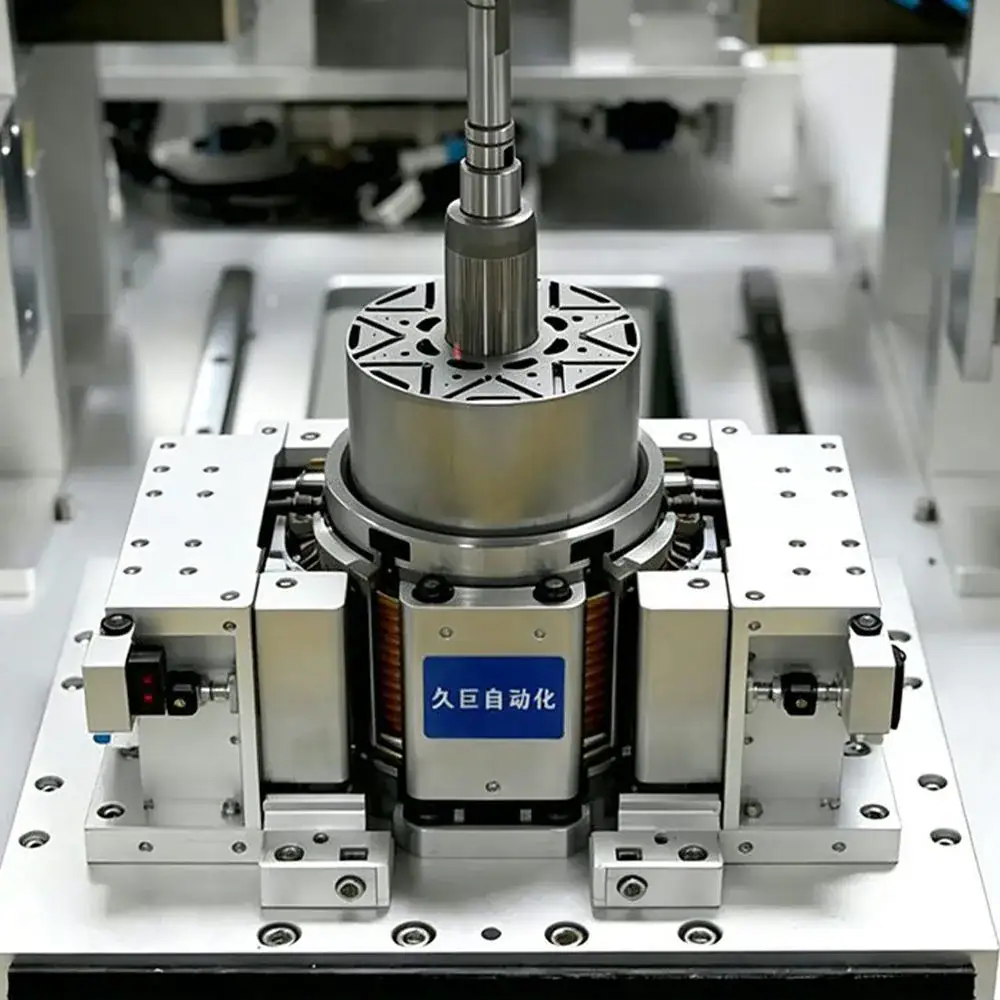
The motor magnet insertion machine is designed to achieve high magnetization precision and stable magnetic flux control. The entire process is completed in stages, centered on core operations such as magnet feeding, positioning, magnetization, and demagnetization testing. In the initial stage, servo positioning and magnetic field simulation ensure precise magnet polarity and assembly angles; pulse magnetization and in-line magnetic flux detection then eliminate semi-finished products that fail to meet magnetic field specifications. Polarity verification and visual pre-inspection are added during the middle assembly stage to ensure every product meets design requirements; the final production stage conducts comprehensive testing of magnetic flux, temperature resistance, and demagnetization rate. The entire production line addresses the challenges of loading multiple magnet models and reduces human error through simple automated fixtures, ensuring the core user experience of precision, efficiency, and stability in motor magnet insertion while controlling costs.
Jiuju Motor Assembly Line—Motor Magnet Insertion Machine | Jiuju Motor Assembly Line
The shipping area outside the workshop was a hive of activity. After multiple rounds of full-machine commissioning, simulated mass-production validation, and factory quality inspection, a Jiuju DC motor automatic assembly line completed all factory-out procedures, was loaded onto trucks on schedule, and is about to depart for the customer's production base, helping the customer's project advance production implementation on plan.
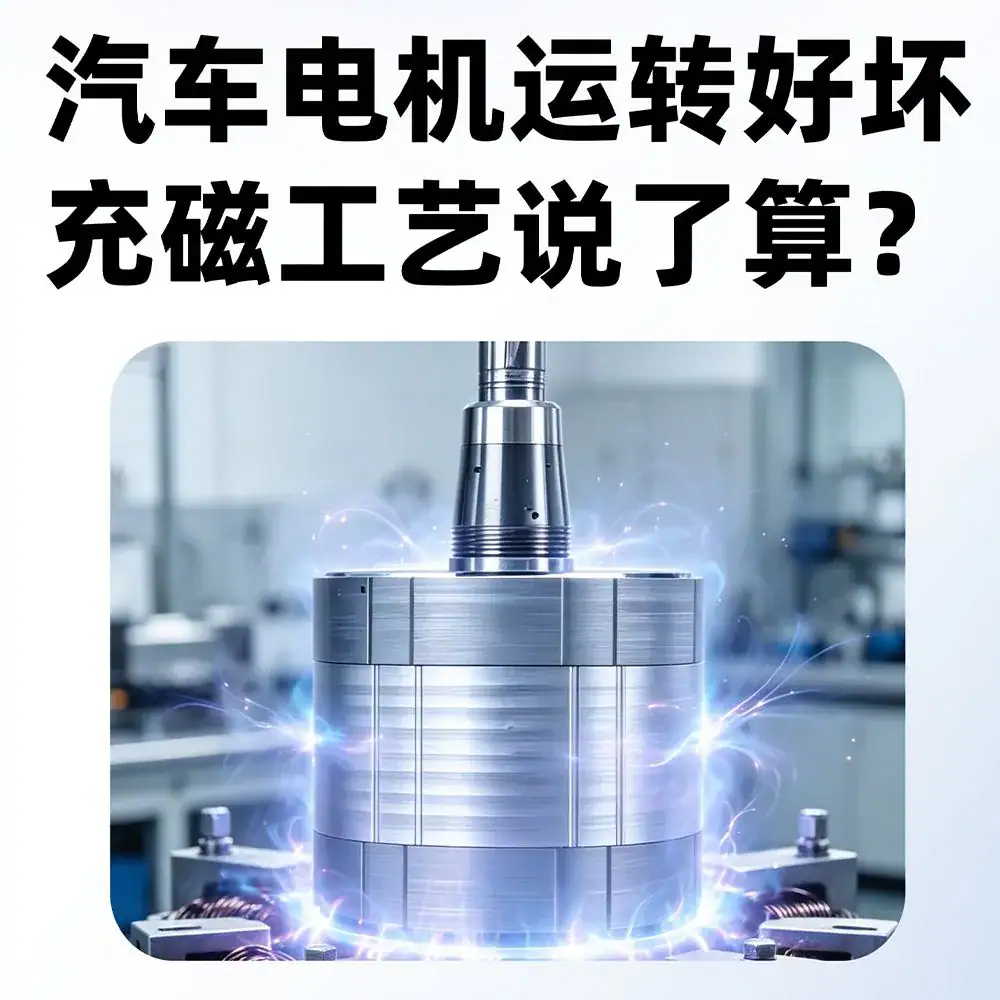
Magnetizing automotive motors demands high precision and stable flux control. This video case shows the complete assemble-then-magnetize process and the quality assurance methods.
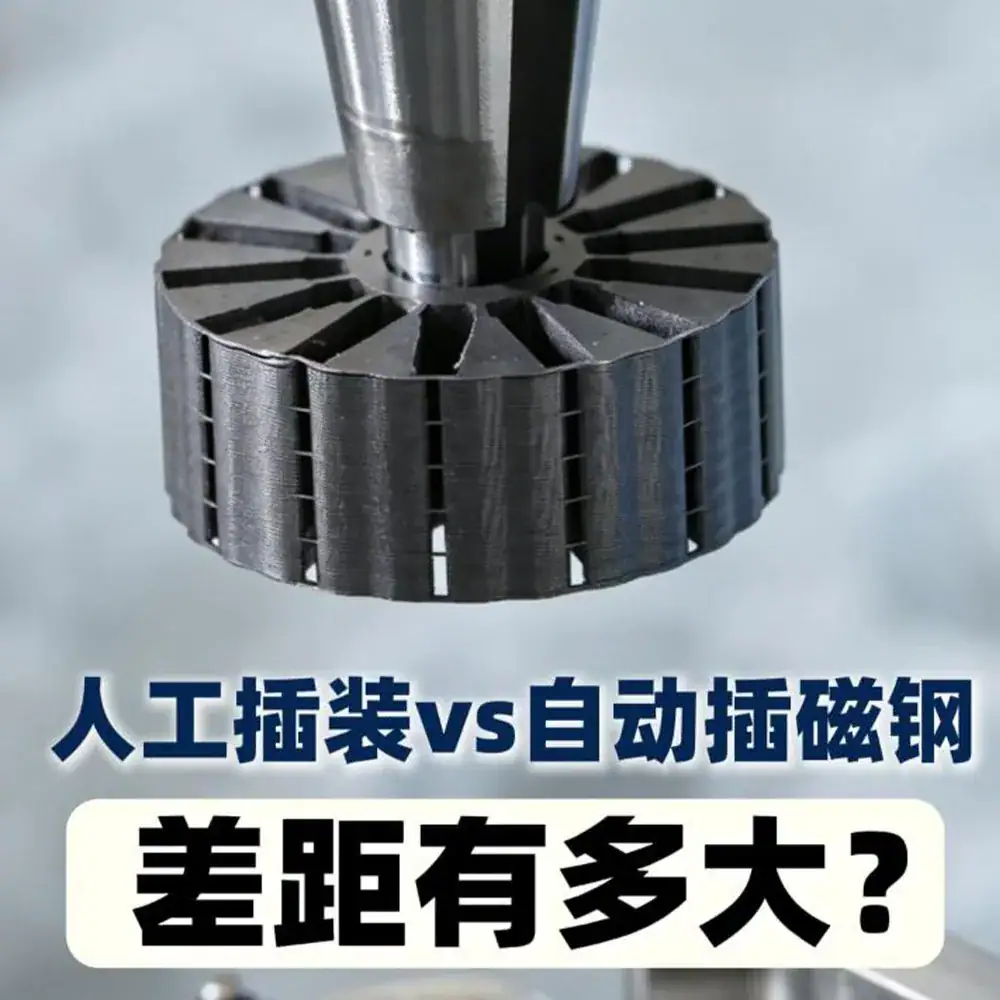
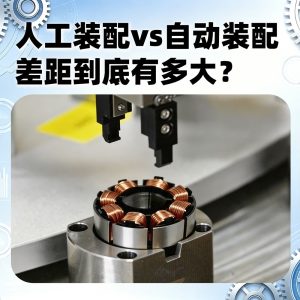
There are significant differences between manual and automated motor assembly in terms of precision, efficiency, consistency, and cost. The video uses a side-by-side comparison to illustrate the value of upgrading to an automated production line.
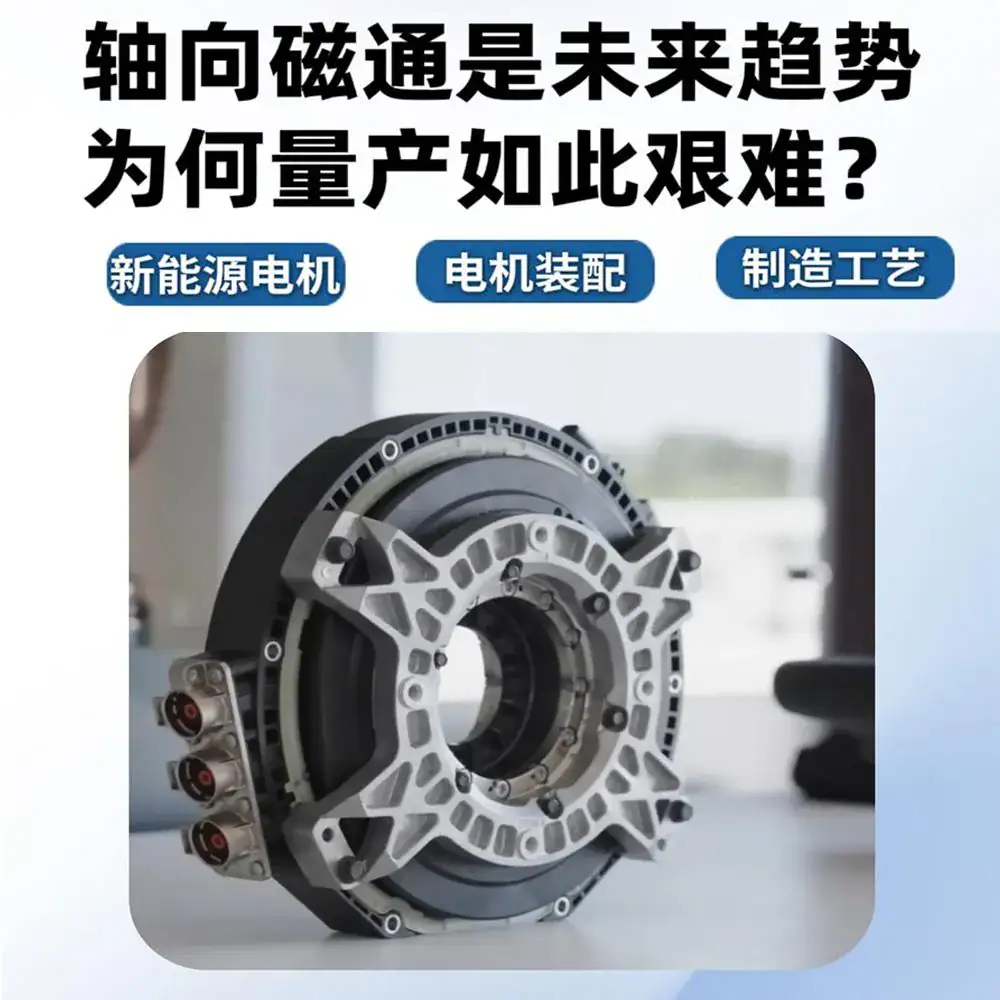
The disc-type structure of axial flux motors places extremely high demands on air gap, magnet alignment, and stator-rotor assembly precision, making manual assembly difficult to meet the requirements of mass production. This video explains the benefits of automation.
A multi-pole architecture brings a high-frequency fundamental; at 10,000 rpm the fundamental frequency can reach several kHz. Traditional IGBTs suffer soaring switching losses and severe heating — it is the MHz-class switching capability of SiC MOSFETs that truly matches high-frequency multi-pole axial flux motors.
 Jiuju Automation








 Spanish
 French
 German
 Hindi