Driven by the trend of brushless home appliances and upgrading of power tools, the domestic brushless motor market is ushering in a rapid expansion period. According to the data released by the Ministry of Industry and Information Technology "2024 Annual Motor Industry Operation Report", the compound growth rate of the domestic brushless motor industry in the past five years reached 12.8%, with a growth rate of 4.3 percentage points higher than the overall level of industrial motors. Among them, the brushless motor penetration rate in the field of household appliances has risen from 38% in 2020 to 67% in 2024, and the demand in the fields of new energy vehicles and industrial automation has maintained an annual growth rate of more than 15%.
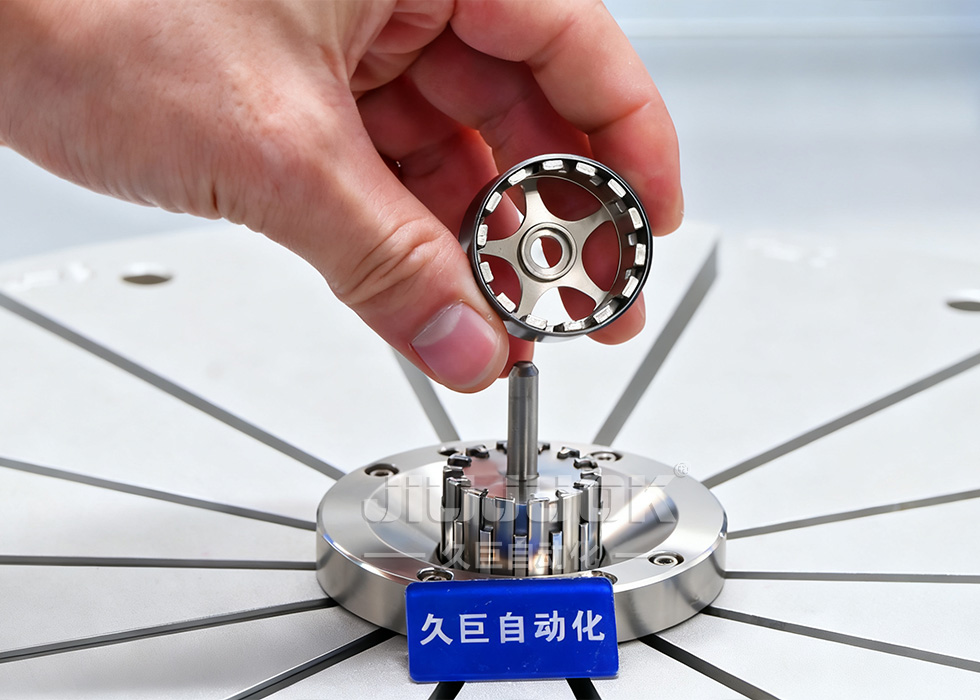
The rapid growth of the market has also gradually exposed the pain points of the traditional production process. Among them, the insertion of magnets, as the core process of brushless motor production, has become a key bottleneck restricting the industry's production capacity improvement due to the long-standing manual operation mode. Take small brushless motor as an example, its internal magnet steel is small in size and large in number, and its strong magnetic properties make it extremely difficult to separate and assemble manually, which is not only inefficient in operation, but also very prone to problems such as magnetic poles being installed in reverse and uneven spacing of magnets, which directly affects the homogeneity of the motor's magnetic field, leading to vibration, high noise, and short range of the motor.
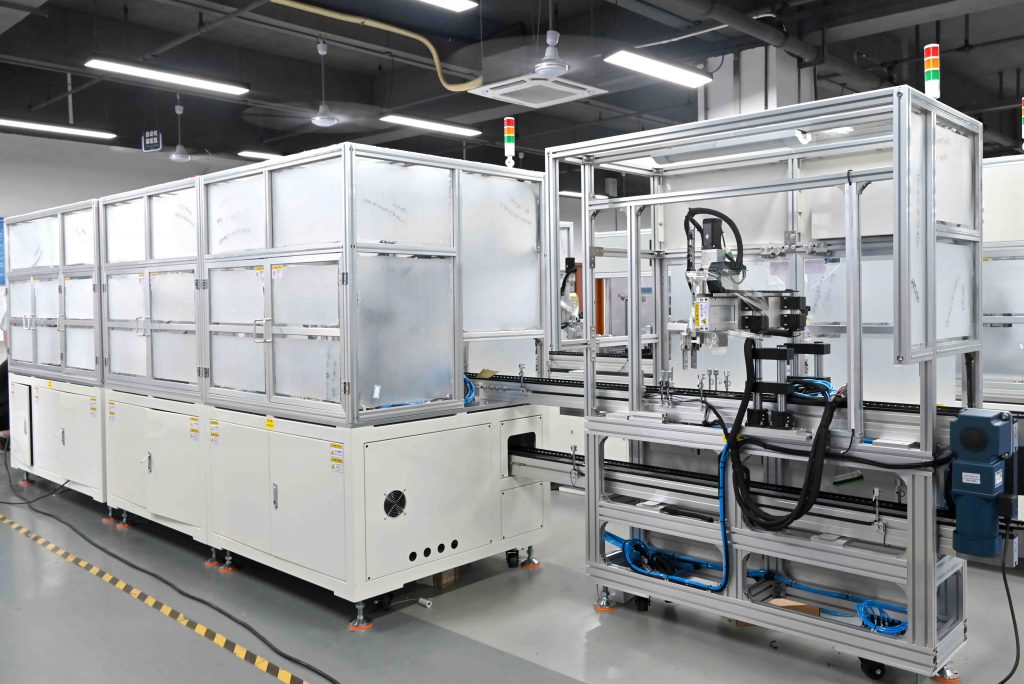
Take the brushless motor for drones as an example, skilled workers can only complete the magnet assembly of more than 100 motors in a day, while the automated equipment can complete the assembly of 150-200 units in a single hour, which is 15-20 times more efficient than manual labor. At the same time, the magnetic pole intelligent identification system carried by the automated equipment can automatically detect the polarity of the magnet steel, completely eliminating the problem of reversing the magnetic poles, and the high-precision positioning mechanism can control the assembly error of the magnet steel at the micron level, which greatly improves the uniformity of the magnetic field of the motor, and directly optimizes the stability of the UAV's flight and endurance.
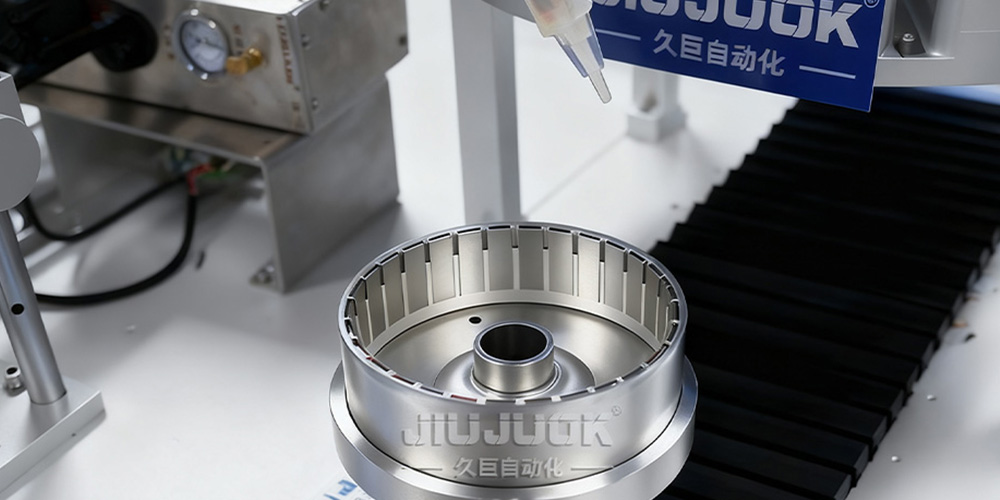
For large brushless motors in the home appliance field, automated magnet insertion technology has also brought about significant changes. In the past, the yield of manual magnet insertion could only be maintained at around 90%, while automated equipment increased the yield to over 99.5%, and at the same time compressed the assembly time of a single product from several minutes to tens of seconds. According to industry data, the per capita output value of the brushless motor manufacturer adopting the automated magnet insertion process has increased from 350,000 yuan to 500,000 yuan, and the defective rate of the product has decreased from 1.8% to 0.45%, which has greatly improved the profitability of the enterprise.
As the brushless motor market continues to expand, the popularization of automation processes is accelerating. Industry insiders say that in the next two years, the penetration rate of automated magnet insertion equipment in the brushless motor industry will exceed 70%, which will not only help the industry to crack the production capacity bottleneck, but also further promote the cost of brushless motors and accelerate their popularization and application in more fields. This will revolutionize the manufacturing industry and inject new vitality into the global economy and social development.
With the continuous growth of the downstream demand for motors, the traditional manual insertion of the magnet process has been unable to meet the needs of the industry, the popularization of fully automated insertion of the magnet technology is accelerating the motor industry's production capacity upgrading, for the enterprise to bring the efficiency and yield of the double enhancement.
Industrial robots, high-end equipment in the field of servo motor precision requirements continue to improve, the traditional rotor processing process of precision bottlenecks are being automated technology breakthroughs to promote the localization of high-end servo motors.
As the next generation technology of new energy vehicles, the industrialization of hub motor is accelerating, and breakthroughs in automated production technology are cracking the mass production problems of hub motor and promoting its commercialization.
Demand for small precision motors in the consumer electronics and micro-drive sectors continues to grow, and automated production technology is helping the industry to realize cost reductions and efficiencies, and to meet the demand for small-lot, multi-batch production.
 Motor automationmotorassembly