Hub motor, as a kind of drive technology that integrates power, brake and transmission system in the hub, is considered as the next generation drive solution for new energy vehicles, and has been attracting attention from the industry for its advantages such as realizing four-wheel independent drive and chassis modularization. But for a long time, the complex manufacturing process and high production costs have become the core bottleneck restricting its mass production. With the breakthrough of automated production technology, this situation is being broken, and the industrialization of hub motor is accelerating.
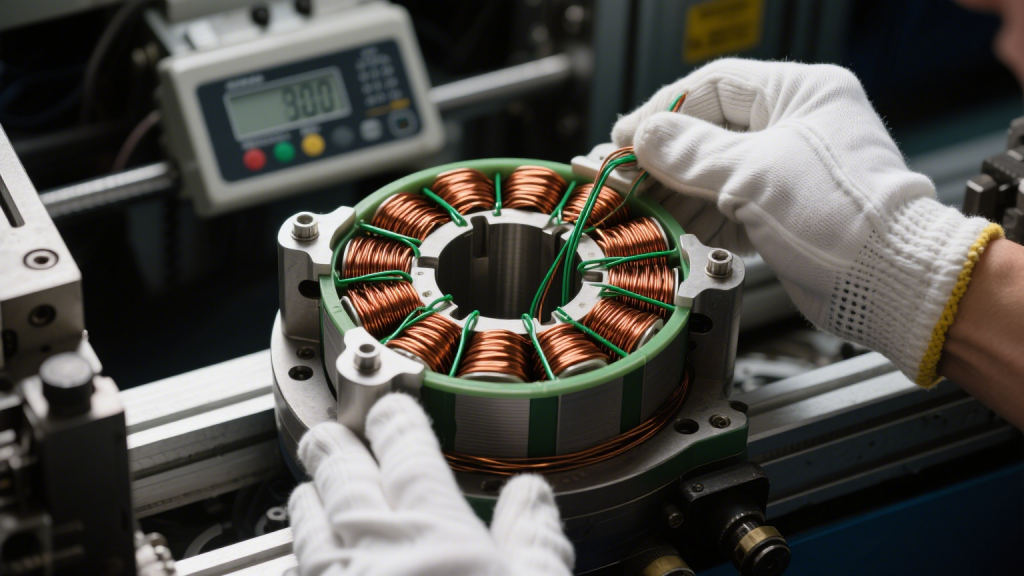
According to the report of GGI Automotive Research Institute, the average automation rate of the current domestic hub motor production line is only 62%, significantly lower than the average level of 78% of the central drive motor of new energy vehicles. The core constraint lies in the hub motor manufacturing complexity is much higher than traditional motors: due to all the components to be integrated in the narrow hub space, the requirements of its assembly tolerance reaches the micron level, and the number of magnets of the rotor, the size of the rotor is large, the characteristics of the strong magnetic force makes the assembly of the magnets is extremely difficult. In the past, the yield of manual assembly can only reach 78%, and low production efficiency, which directly pushes up the manufacturing cost of the product. The application of automated production technology is completely solving this mass production problem.
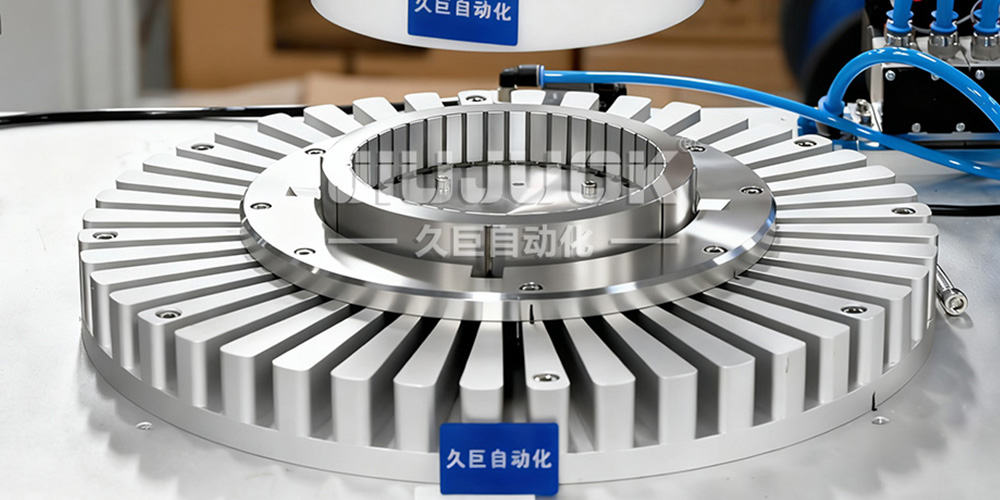
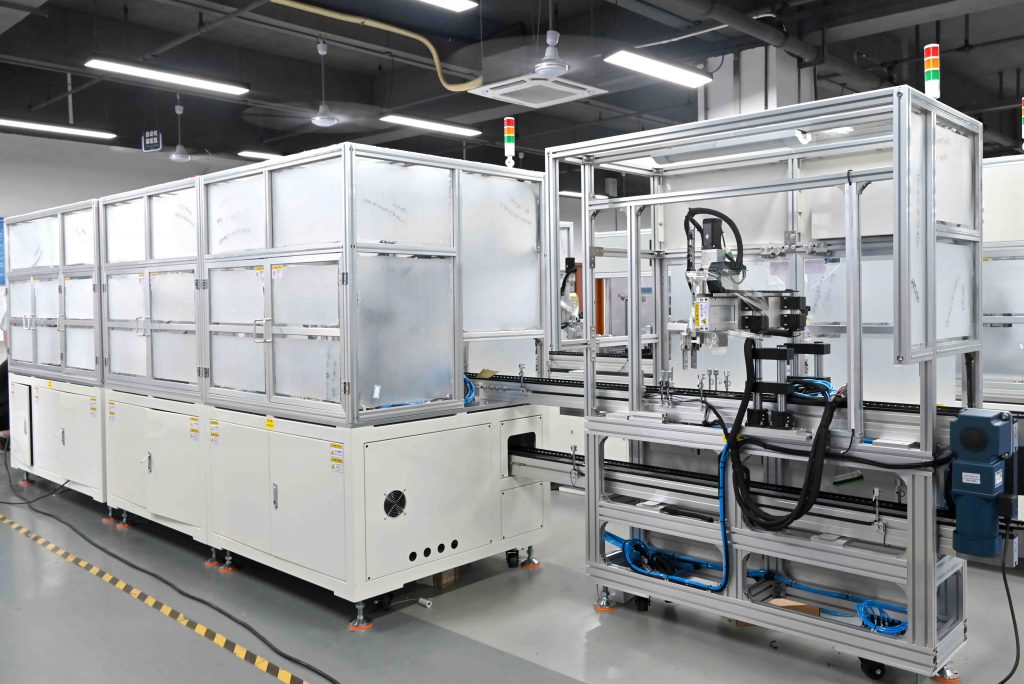
For the magnet assembly of hub motor, the industry has launched a special automated magnet insertion equipment, which solves the problem of separating, positioning and assembling the magnets under strong magnetic force through the fusion of magnetic isolation tooling, visual positioning and force-controlled pushing technology, controlling the breakage rate of the magnets to below 0.1%, and increasing the assembly yield to above 95%. At the same time, the flexible automated production line is compatible with the production of 6 different specifications of wheel motors, which solves the pain point of the production of wheel motors with multiple models and small batches. This technological breakthrough has directly driven down the manufacturing cost of hub motors. According to industry estimates, the application of automated production lines, so that the manufacturing cost of wheel motors reduced by more than 30%, gradually narrowing the cost gap with the traditional drive system. At the same time, the accuracy improvement brought by automated production has also solved the dynamic balance and magnetic field uniformity problems of hub motors, improved their unsprung mass, vibration and other traditional pain points, and promoted the further optimization of product performance.
With the maturity of automated manufacturing technology, the commercialization of hub motor is accelerating. Industry experts said that the enhancement of intelligent manufacturing capabilities, is the hub motor from the laboratory to large-scale mass production of the key turning point, the future with the further popularization of automated production lines, the hub motor cost will be further down, is expected to achieve large-scale commercialization of the application in the next 3-5 years for the new energy automobile technology upgrades to bring new breakthroughs.
With the continuous growth of the downstream demand for motors, the traditional manual insertion of the magnet process has been unable to meet the needs of the industry, the popularization of fully automated insertion of the magnet technology is accelerating the motor industry's production capacity upgrading, for the enterprise to bring the efficiency and yield of the double enhancement.
Industrial robots, high-end equipment in the field of servo motor precision requirements continue to improve, the traditional rotor processing process of precision bottlenecks are being automated technology breakthroughs to promote the localization of high-end servo motors.
Industry robots, high-end equipment in the field of servo motor precision requirements continue to improve, the traditional rotor processing process of precision bottlenecks are being automated technology breakthroughs to promote the localization of high-end servo motors.
Demand for small precision motors in the consumer electronics and micro-drive sectors continues to grow, and automated production technology is helping the industry to realize cost reductions and efficiencies, and to meet the demand for small-lot, multi-batch production.
 Motor automationmotorassembly